There is a version of the year-end update that lists accomplishments in clean bullet points and speaks in the confident past tense about everything that was planned and everything that was delivered. This is not that. What I want to write is something closer to what I would tell a friend who has been following this project — the kind of friend who wants the real account, not the polished one.
The eco community Oaxaca progress we made in 2026 was real, and some of it surprised us. Some of what we expected to finish is still unfinished. The land taught us things we did not know to ask about. That is, I think, what a third year is supposed to feel like.
What we finished
The land is now fully surveyed and platted. Every lot has a legal boundary, a recorded title, and a GPS-verified corner. This sounds like a bureaucratic milestone, and it is — but it is also the kind of thing that, once done, changes how you think about the place. The property stopped being an abstract fifty hectares and became a set of specific places with specific relationships to each other. Standing at the corner marker of a lot and seeing exactly where the tree line begins and where the road easement runs is a different experience than looking at a drawing.
Water and electricity now reach all lots. The water system — a combination of wells and a gravity-fed distribution network — took longer to engineer correctly than we expected, partly because the aquifer here behaves differently at depth than the initial survey suggested. We brought in a hydrologist in the second quarter and reworked the distribution layout accordingly. The result is more robust than what we originally designed, but it cost us several months. Electricity followed the water, which was the right sequencing.
The access roads are done. Not paved — they are compacted gravel with proper drainage cuts, designed to stay passable through the wet season. We tested them through October and November, which are the hardest months for any unpaved road along this coast, and they held. That was a relief.
What is still in progress
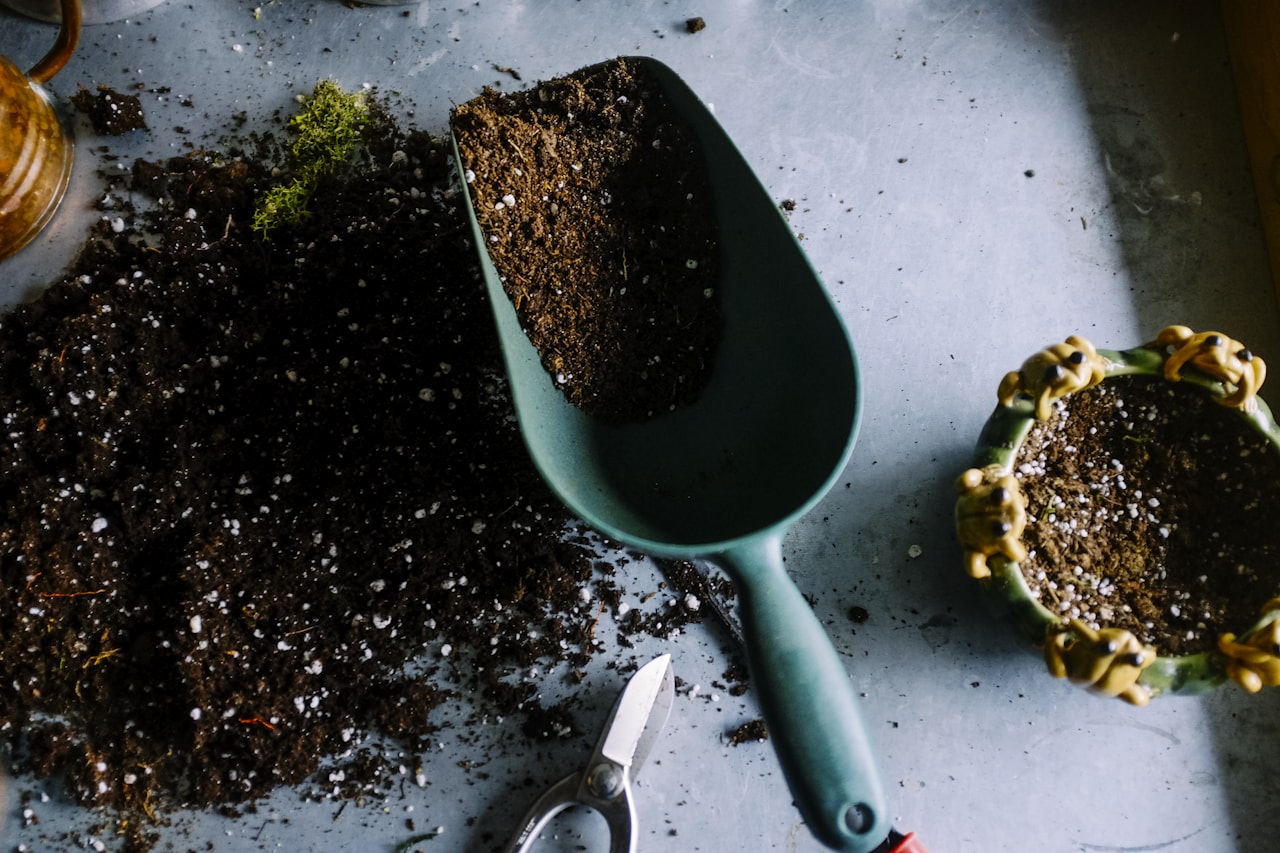
The food forest is in its first full planting cycle. Boaz Agmon has been working this land for over a year now with a planting design that layers fruit trees, nitrogen-fixing species, and understory plants in a way that mimics the structure of the dry tropical forest while producing food. The first cycle is always more about establishing soil biology and root systems than about producing anything visible. Some of what he planted is clearly thriving. Some of it struggled through the dry season in ways we will adjust for next year. The work is patient work, and Boaz approaches it that way.
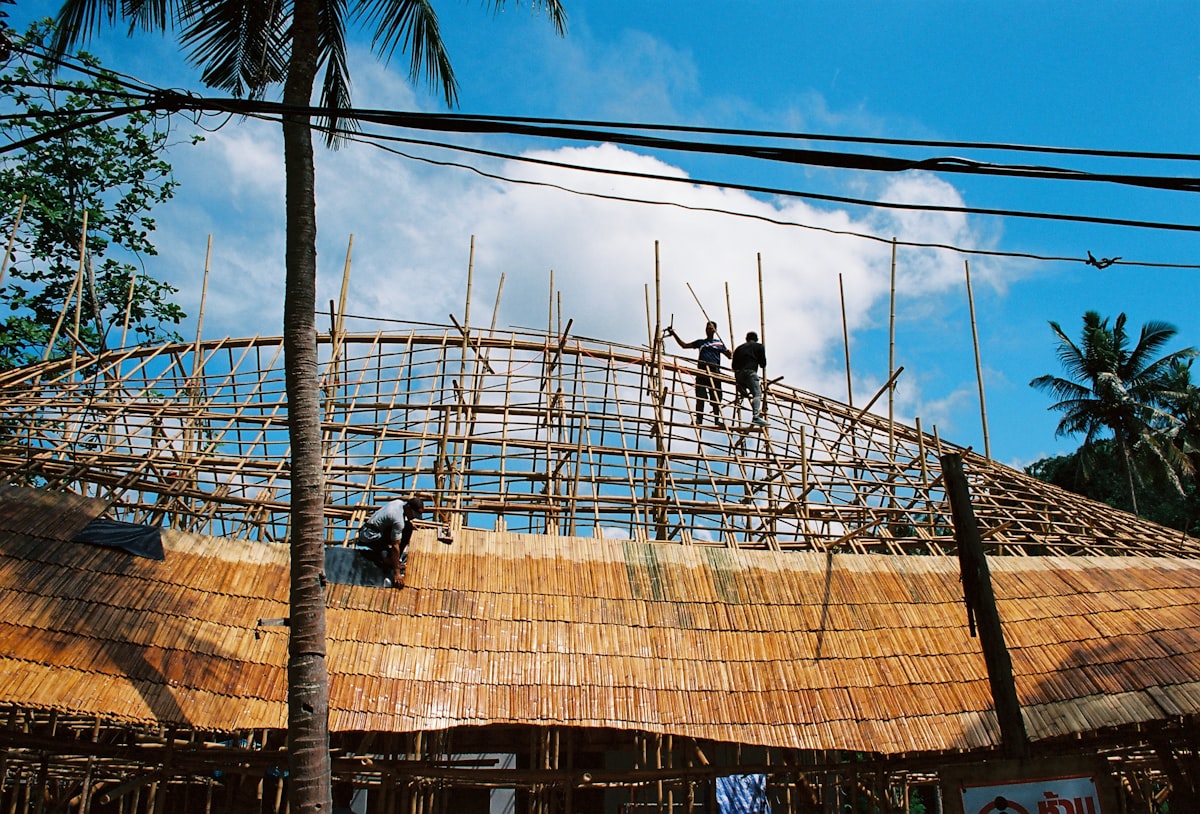
The first residential palapa is under construction. This is a single-family structure, and we are using it deliberately as a test of local building methods — specifically the palm and wood construction techniques that are native to this coast and have been used in Zapotalito and the surrounding villages for generations. The question we are answering is not whether these methods are traditional, but whether they can be adapted to a permanent residential structure in a way that performs well for long-term living: ventilation, moisture management, structural integrity through the wet season. We will know more by mid-2027.
What is planned for next year
The community palapa and kitchen is the project I am most focused on for 2027. This is the shared structure — the place where people eat together when they want to, where gatherings happen, where the community has a physical center. We have the design. We have the site. We are building the food forest first so that the kitchen has something to cook from, which is the right order.
The dark-sky observatory is further out, but the site is identified and the conservation buffer around it is intact. I have been in conversation with a small-aperture telescope supplier and with an astronomy educator who has worked in similar contexts. This will happen, but I am not in a hurry to announce a timeline for it.
YogaMala is expanding its programming. Roxi Stolk has been developing the surf and yoga programming with a clarity of vision that continues to attract the right kind of visitors — people who come for practice and leave having also understood something about the place they practiced in. That is the goal of retreat programming in a context like this, and she is achieving it.
What surprised us
Honestly: the community surprised us. Not in a dramatic way, but in the accumulative way that happens when you watch people arrive at a place and start to inhabit it. The people who have been building and visiting this year are more diverse — in background, in nationality, in what they are looking for — than the early community I imagined. That is a good surprise. It means we have not accidentally filtered for a single type.
The harder surprise was how much time the governance processes take. Making collective decisions about shared infrastructure, about how we relate to Zapotalito, about what standards we apply to construction — all of this is slower than I expected even knowing it would be slow. I do not regret the commitment to collective process. But I have a more realistic picture of what it costs.
The land itself surprised me too, in ways I am still working out. The dry season here is more severe than I understood from living in it for a year or two. The wet season transforms the property in ways that feel like a different place entirely. Understanding the seasonal rhythm of this specific fifty hectares — what floods, what holds, where the air moves and where it doesn’t — is a multi-year education. I am three years in and still learning.
Where things stand
Rancho de las Estrellas is, at the end of 2026, a real place with real infrastructure, a small but genuine community, and a lot of work still ahead. The vision that Luisa and I wrote out in the beginning — what the about page reflects and what the vision page describes in more detail — still feels accurate to what we are doing. The execution is messier and slower than any clean plan would suggest. That is fine.
The coast doesn’t rush. The lagoon doesn’t hurry. The mangroves along the channel have been there for longer than any project any of us will ever build, and they will be there after. The thing we are trying to do is find a way of being here that is worth the land’s tolerance of us.
If you have been watching this project from a distance and wondering whether to get more involved — whether to visit, whether to explore what it means to build here — 2027 is a good year to come see it in person. The infrastructure is in place. The community is small enough that your presence would matter. The project is early enough that the decisions still being made are real ones.
We are not finished. We are not close to finished. But we are genuinely here, and the work is real.