I have been asked, more than once, why we are building an alternative school in Oaxaca — specifically here, in the mangroves, in a community that most educational institutions have never heard of and would not prioritize if they had. The question is fair. It deserves a real answer.
The school is called Nandia. It is Waldorf-inspired, nature-based, multilingual, and it is being built at Rancho de las Estrellas, at the edge of Lagunas de Chacahua National Park on the Pacific coast of Oaxaca. It is, at this point, in early development — curriculum being built, programming being tested, families beginning to express interest. What I can offer here is not a finished institution but an honest account of why we are building it and what we are hoping it will become.
What I observed, working in education in this region
I grew up on the Oaxacan coast. I know this place not as a visitor or a researcher but as someone whose family has lived here for generations. And for years, before Nandia existed as a concept, I worked in community development and education in this region, in schools that were doing what schools here typically do: preparing children for a future somewhere else.
The curriculum in most regional schools is oriented toward urban professional life. Literacy and numeracy calibrated to standardized exams. History taught as a national narrative centered far from here. Science delivered as abstract content with no particular connection to the ecosystem the children walk through every day. Language instruction treating Spanish as the only serious language and everything else — the Zapotec spoken in nearby communities, the English increasingly necessary for economic participation — as peripheral.
What I observed, over time, was a particular kind of disconnection. Children who could name the presidents in chronological order but could not tell you what the mangrove roots do for the fish population. Children who knew the multiplication tables but had never thought carefully about where the fish their families ate had come from or what made the harvest differ from one season to the next. Children who were being trained to leave this place rather than to know it.
I am not dismissing formal literacy or numeracy. I am saying that there is a gap between what schools here teach and what this place needs — and that gap has consequences. Not just for the children but for the community, the ecology, the long-term health of everything that makes this coast worth living on.
Why the mangroves specifically
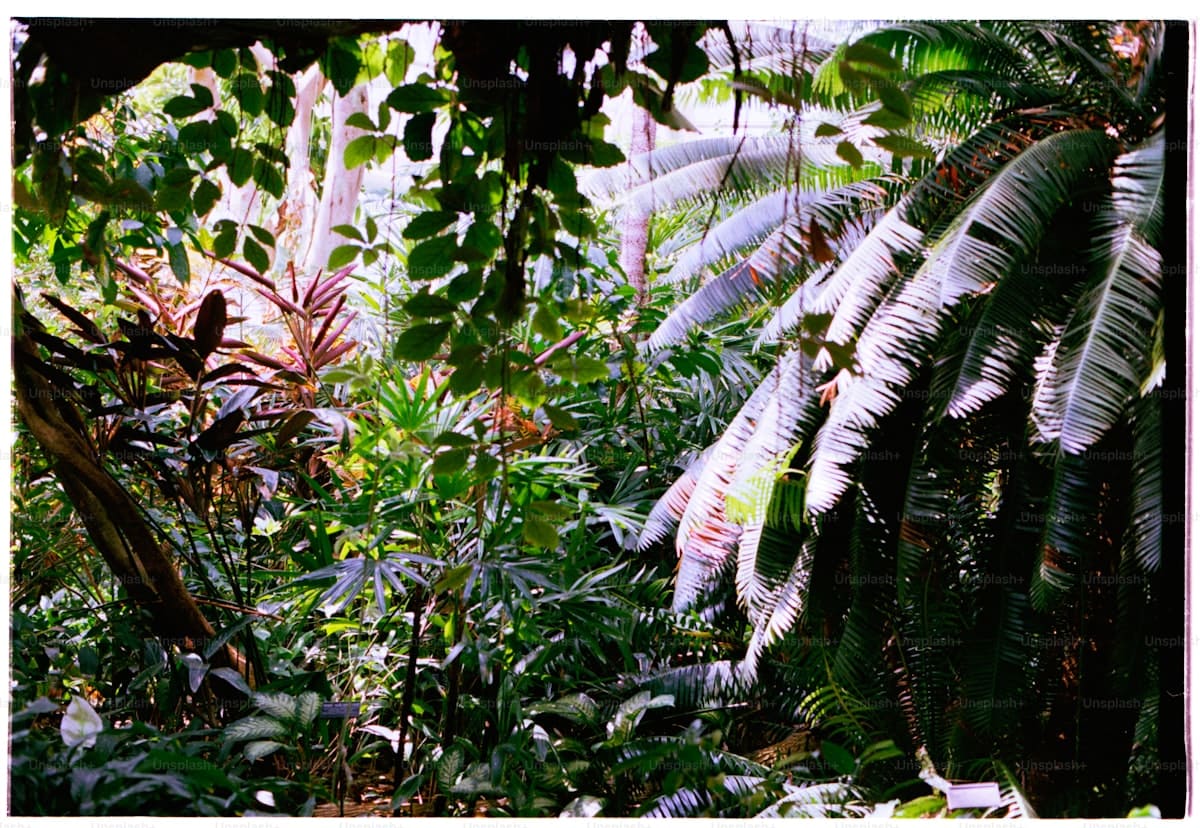
The Lagunas de Chacahua lagoon system is one of the most ecologically complex environments on the Pacific coast of Mexico. The mangroves that line the channels are not decoration. They filter the water that flows from agricultural land into the lagoon. They provide the nursery habitat where juvenile fish and shrimp develop before moving into the open lagoon and eventually the Pacific. They absorb storm surge and buffer the coastline in ways that no engineered structure could replicate at this scale. When you cut mangroves — which has happened along coasts all over Mexico — you do not just lose trees. You lose the fish populations, the water quality, the storm protection, and the cultural economy of every fishing family that depended on what the mangroves sustained.
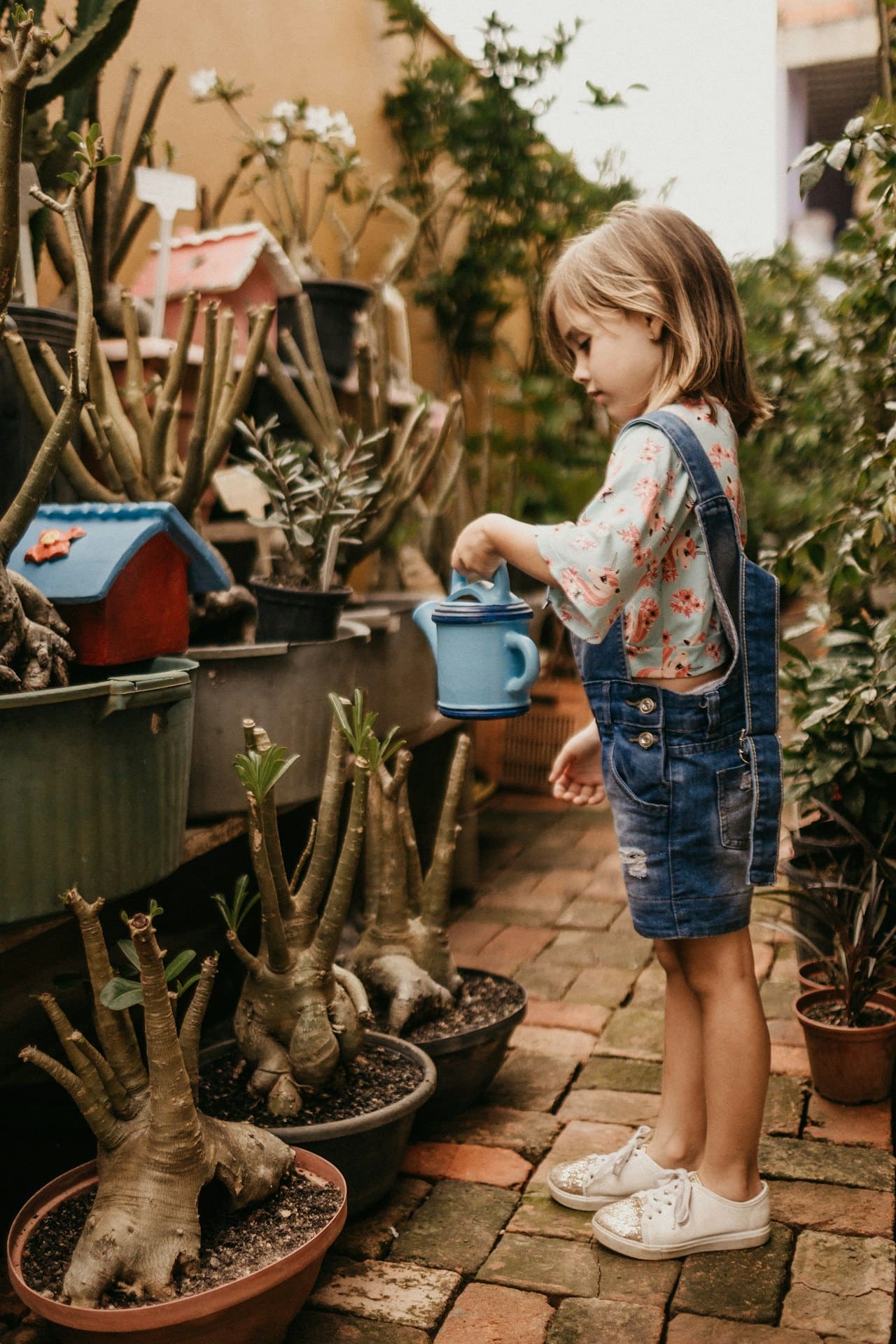
Children who grow up at Nandia, working and learning on this lagoon, will understand this. Not because they have read it in a textbook but because they will have watched the tide move through the channels, observed the juvenile fish in the root systems, and participated in the planting calendar in the food forest that is part of the Rancho’s developing landscape. They will have arrived at ecological literacy through direct experience, which is the only kind that sticks.
That is the specific wager Nandia is making: that learning rooted in a living place produces something different from learning delivered in isolation from the world outside the classroom. I believe that. I have seen enough of both to have an opinion.
What this school is trying to produce
When I talk about Nandia with families, I am careful about language. I do not want to promise transformation, or claim that nature-based education is the answer to everything that is wrong with how we teach children. What I want to claim is more specific.
A child who grows up knowing the tidal schedule — not as a fact memorized for an exam but as a pattern internalized through repeated observation — knows something about time, about rhythm, about the relationship between the moon and the water, that most educated adults do not know. A child who has grown food from seed to harvest has a relationship to nutrition, soil biology, and patience that is different from a child who has not. A child who speaks three languages as a matter of daily life — Spanish in community, English in interaction with visitors and digital information, Zapotec in ceremony and cultural reference — is a person with more available orientations toward the world.
None of that is a guarantee. But it is a foundation. And in a place like this, where the land and the ecology are still intact enough to serve as a teaching site, building that foundation feels like the right use of what is here.
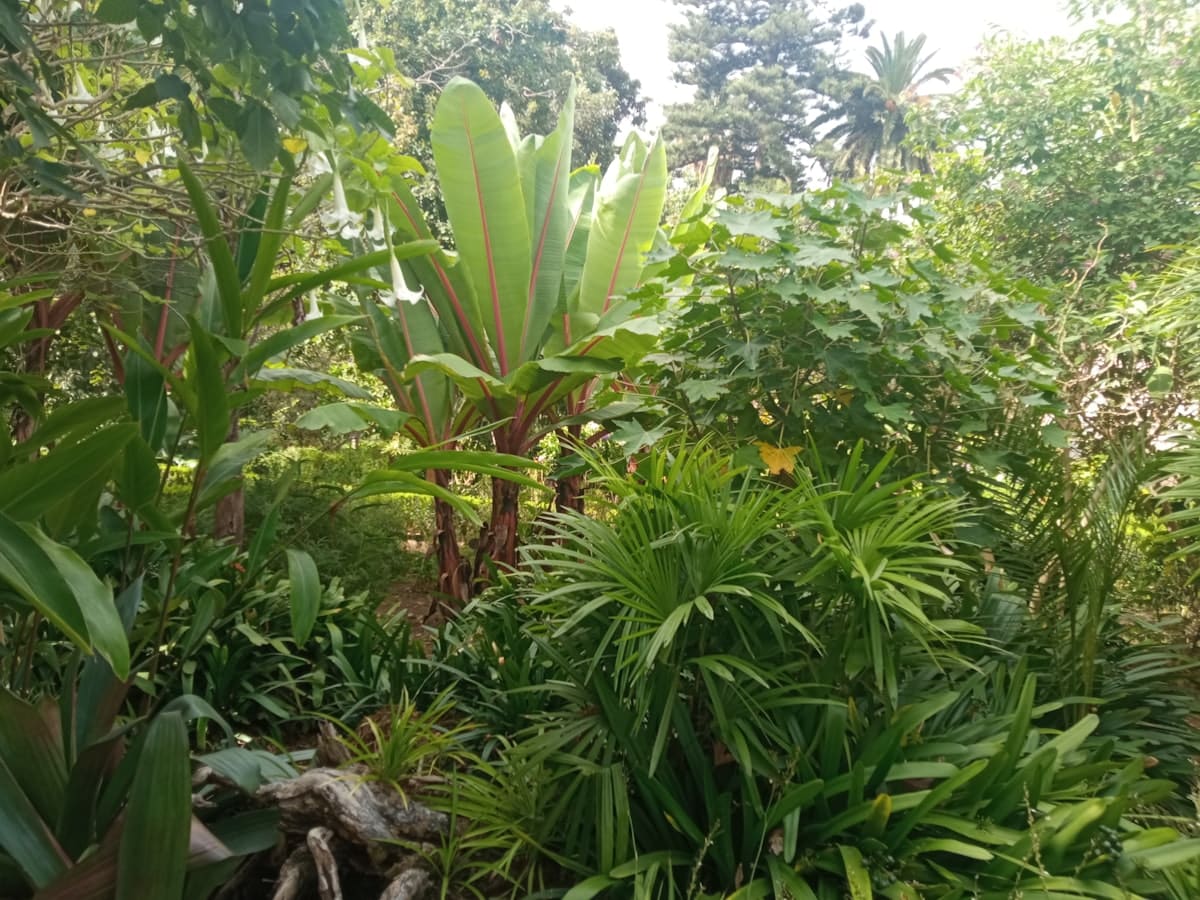
The vision we have articulated for Rancho de las Estrellas is not only about land stewardship and community governance. It includes the explicit commitment to a school as part of what this place is. Nandia is not an amenity. It is one of the reasons the community is being built the way it is.
The community dimension
I want to be clear that Nandia is not only for the children of Rancho de las Estrellas. The families who are building here are one part of the community, but the community is larger than that. Zapotalito, the fishing village at the edge of the property, has been here far longer than we have. The Zapotec communities along this coast carry ecological and cultural knowledge that has no equivalent in any curriculum I have seen.
Nandia’s long-term intention is to be a resource for Zapotalito and the surrounding area — a school that serves the broader community, that formalizes and honors the knowledge that fishing and farming families already carry, and that builds toward a future where children in this region do not have to choose between local rootedness and access to the wider world. That is an ambitious goal. We are realistic about how long it will take to achieve. But it is the goal, and it shapes every choice we are making in the school’s early development.
The children of fishing families in Zapotalito already know things that most children do not. They know the names of fish in three life stages. They know the difference between a productive fishing spot and one that has been depleted. They know what weather is coming from how the pelicans are flying. Nandia’s job, in relation to those children, is not to fill them with new information. It is to receive and formalize what they already know, and to build outward from that foundation.
Why Waldorf, and why adapted
The Waldorf approach draws us in because it takes seriously the relationship between developmental stage and learning method — because it insists that arts and movement are not luxuries but fundamental to how children form cognitive structures — and because it was designed to resist the separation of school from life that has made most formal education so much less effective than it should be.
We call ourselves Waldorf-inspired rather than accredited Waldorf because the honest word is inspired. Rudolf Steiner was thinking about early twentieth-century Europe. We are thinking about early twenty-first-century coastal Oaxaca. Some of what he understood about children is universal. Some of it needs to be adapted for this soil, this ecology, this community. We are not interested in imposing a European template on a Zapotec and mestizo landscape. We are interested in taking the tools that are genuinely useful and putting them to work here.
That work has already started. The mornings circles, the seasonal calendar, the integration of planting and harvesting into the school day — these are running. The curriculum is still being built. We are in the early stages and we say that plainly. But we are also in the stages where the most important decisions are being made, and we want families who care about this to be part of those conversations.
If you are a family considering building at the Rancho, or if you are living nearby and curious about what this school could mean for your children, the place to start is the Nandia page. We are accepting expressions of interest now, and those conversations are directly shaping the school we become.