People who visit during the dry season — January, February, March — sometimes leave convinced they want to live here. The skies are clear. The surf is consistent. The evenings are soft. I do not blame them for feeling that way; I have felt it myself on mornings when the lagoon is glassy and the birds are loud and everything is going right at once.
But living in Chacahua year-round is not the same thing as visiting during the good months. I want to be honest about that, because the people who thrive here have usually understood the full picture before they arrived, and the ones who struggle often arrived with only the postcard version.
This is an account of both seasons and both sides.
The two seasons
The Pacific coast of Oaxaca has a relatively clean seasonal division, though neither season is entirely uniform.
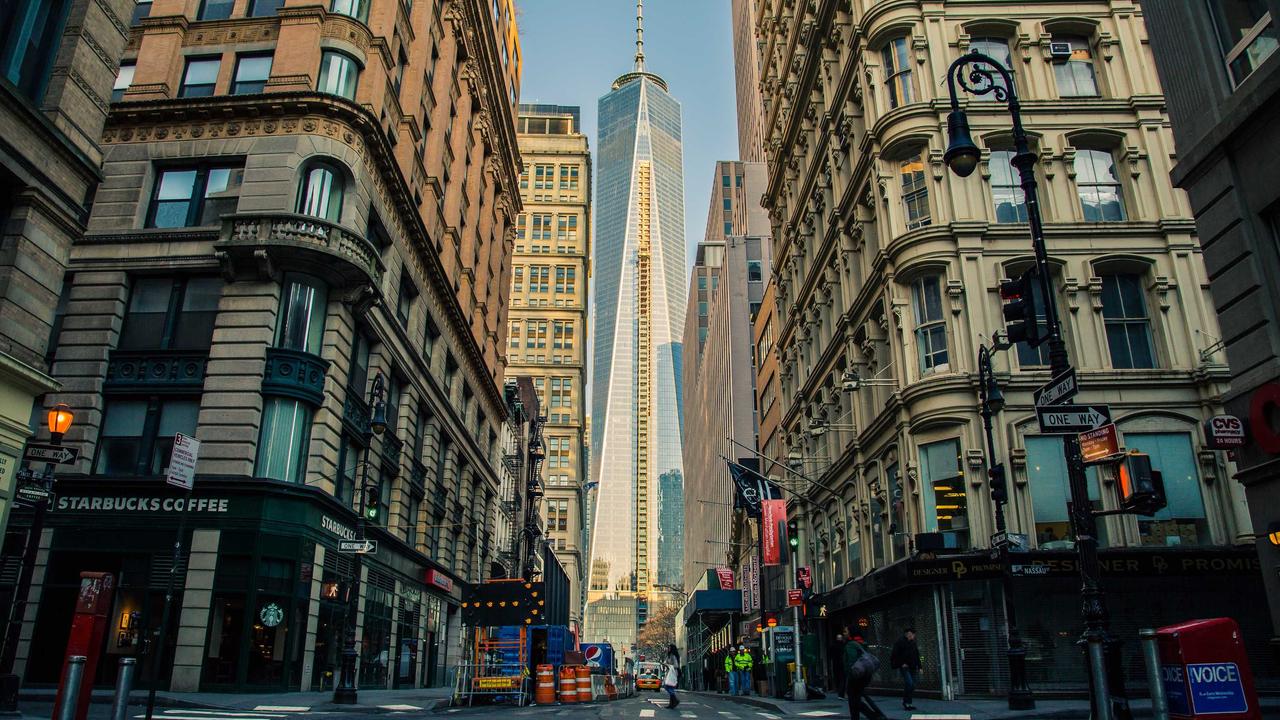
Dry season (roughly November through April) is what you see in most photographs of this area. The sky is a reliable deep blue from mid-morning onward. Temperatures are warm — typically in the high 20s to low 30s Celsius during the day — but not crushing. The surf gets consistent northwest swell. The lagoon drops in level and clarifies. Dust builds up on unpaved roads. Visitors arrive. The pace quickens slightly, though “slightly” is relative.
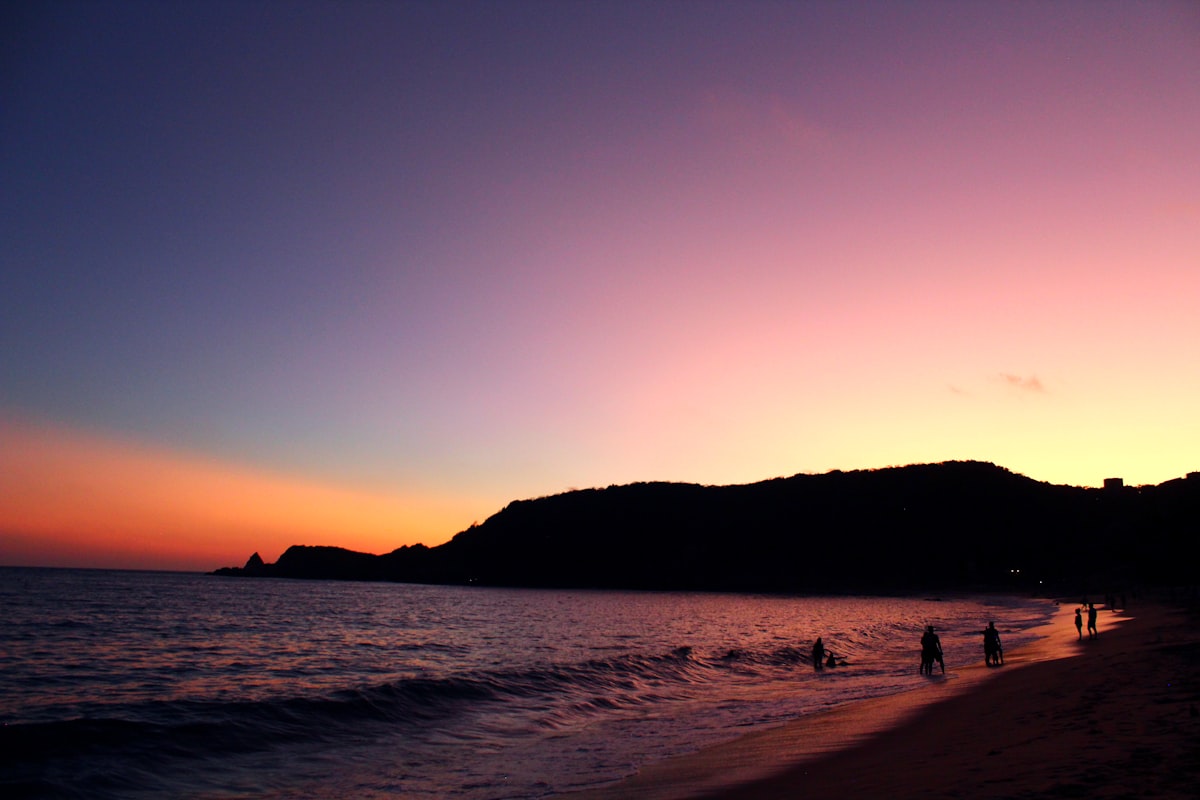
During dry season, the difference between the nights and days is pronounced enough that the evenings are genuinely comfortable, and sitting outside after dinner is one of the primary pleasures of life here. The stars, on a clear dry-season night, are as good as they get.
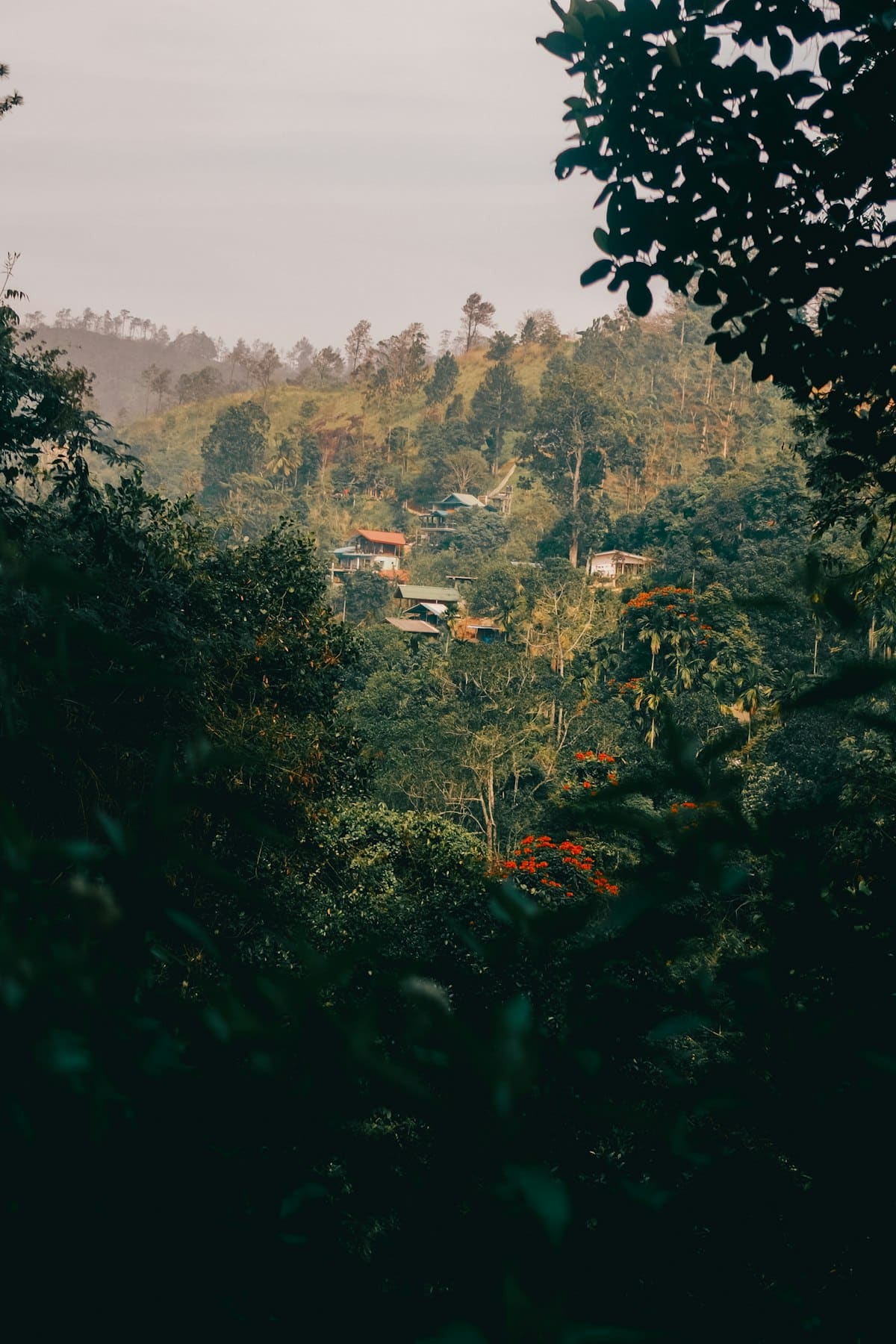
Wet season (roughly May through October) is something else entirely. The rains begin tentatively in May, then build. By June and July, the afternoons reliably deliver storms that are not polite about it. Thunder you feel in your chest, lightning that is close enough to count, rain that turns the dirt roads to orange mud within minutes. It is not unpleasant so much as it is relentless once it gets going.
Humidity climbs above 80 percent, sometimes well above. The kind of humid where the towel you hang up in the morning is still damp at night, where metal rusts faster than you would think possible, where anything you put in an uncirculated drawer grows mildew if you are not careful. This is the ecological engine that makes the vegetation here as dense and diverse as it is. Understanding that helps.
The wet season also brings hurricane awareness. Oaxaca’s Pacific coast is not in the same high-intensity hurricane corridor as the Gulf coast or the Caribbean, but tropical storms and occasional hurricanes do affect this area. During active periods, we watch the National Hurricane Center forecasts the same way coastal people everywhere do — not with alarm, but with attention.
Between storms, wet season has a quality that dry season does not: a green so saturated it seems lit from inside. The food forest Boaz has been developing here becomes almost extravagant. The lagoon fills and the birdlife increases. There are mornings during the wet season that are as beautiful as anything this place produces, if you are willing to work for them.
Daily rhythms
The mornings here are the best part of most days. Before the heat builds, before the afternoon wind picks up or the clouds gather, there are a few hours when the property is quiet and the light is good and the mind works well. People who find their rhythm here tend to get their most focused work done before noon.
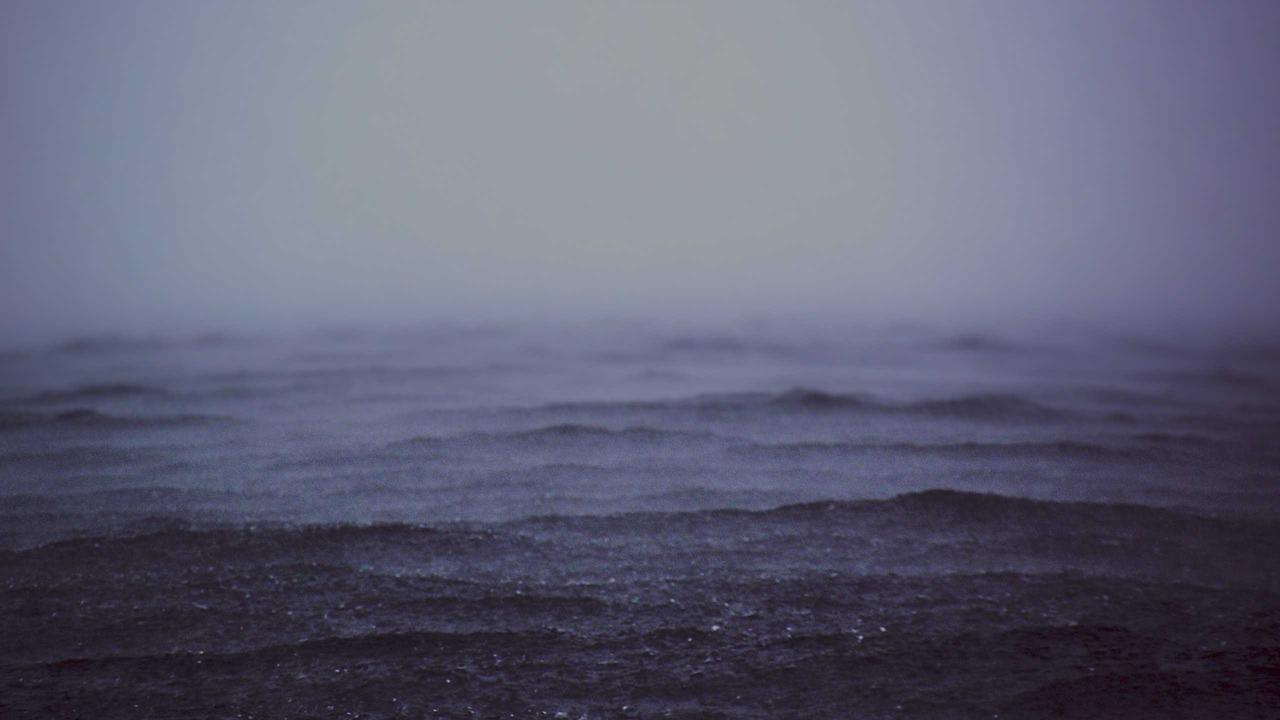
By mid-afternoon in the dry season, and earlier in the wet, it is hot enough that vigorous outdoor activity becomes ill-advised for most people. Those who work outside — building, farming, maintenance — learn to start early and stop at noon. The siesta is a real and rational institution, not a stereotype.
Evenings are social. There is a quality of community life that is particular to small, somewhat isolated settlements: people find each other in the evenings because the alternative is being alone with your thoughts, and that has a way of producing conversation that is either very good or very bad depending on your mood. Here, it is usually good. The community is small enough that everyone knows what everyone else is dealing with, which has its drawbacks and its graces.
What surprises people
I have watched enough people arrive and settle into this place — and a smaller number arrive and decide it is not for them — to have some sense of what catches people off guard.
The heat. Not the kind of heat that a ceiling fan resolves. During the deep wet season, the combination of temperature and humidity can be physically challenging in a sustained way. People who have lived in tropical climates are usually fine. People who have not sometimes underestimate it. Spending time here during May or June before committing to a longer stay is something I genuinely recommend.
The distance from urban services. Puerto Escondido is approximately 50 minutes away. That is where the hospitals are, the better-stocked pharmacies, the hardware stores, the ATMs that work reliably, the decent internet cafes. Most days this does not matter. On the day you have a medical situation or the generator needs a part that only one shop in town carries, it matters. You learn to think ahead, to keep supplies, to not leave things until the last minute.
The pace. Slower than anywhere you have probably lived. Not slow in a frustrating way — or rather, it is frustrating until it is not, which varies by person. Things take longer to arrange here. Contractors show up when they show up. Deliveries follow their own logic. The postal system is theoretical. If you are the kind of person whose nervous system requires reliable, fast resolution to things, this will be hard. If you are the kind of person who can hold things loosely, it becomes one of the pleasanter features.
The internet. Improving. Not city-grade. We have worked to bring reliable connectivity to the property, and it is functional for most work purposes. Video calls work. Large file transfers require patience and timing. There are days when weather or infrastructure conspires against you. Remote workers with hard real-time dependencies should know this before arriving.
The community. Small. Everyone knows each other, which is sometimes a gift and occasionally claustrophobic. The dynamics of small communities — the heightened significance of small conflicts, the intimacy that comes from shared difficulty — apply here as anywhere. We have worked to build something thoughtful with the vision we have for this place, but the social reality of communal life is that it requires more emotional intelligence and more willingness to communicate directly than most people expect.
What makes it worth it
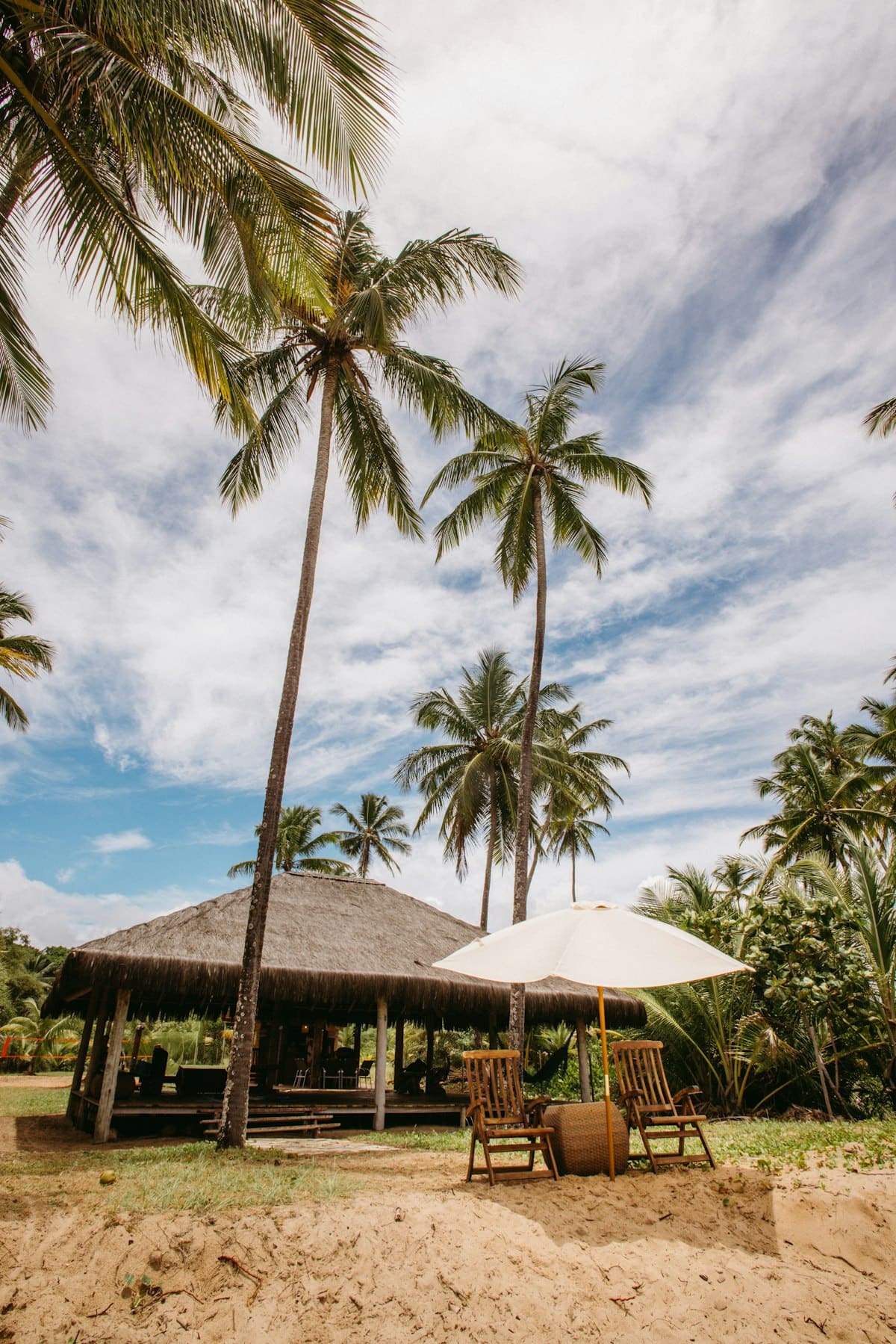
The sky, which I have written about elsewhere. The lagoon, which is a thing you can be on in a small boat at six in the morning and feel that the world has given you something you did not earn. The food — fish that was in the water this morning, fruit that ripened while you were sleeping, local markets in Zapotalito and Puerto Escondido that have things in them that supermarkets elsewhere do not bother with. The quiet that is not absence but presence — birds, wind, water, insects doing what insects do. The sense, more real here than in most places I have lived, that you are participating in something rather than consuming it.
The people who thrive here are, roughly: people who value interior life over exterior stimulation, who can make their own meaning in the absence of a city’s distractions, who are physically comfortable in a warm and occasionally demanding climate, who have work that travels with them or work that fits this place, and who have a genuine interest in the long-term wellbeing of a specific piece of land and a specific community.
The people who struggle are, roughly: people who need a lot of external structure to feel anchored, who find the pace anxiety-inducing rather than restful, who have urban-dependent work or social lives that cannot be adapted, or who arrived for the romance of the idea rather than the actuality of the place.
Both categories are legitimate. Neither is a judgment.
A note on what we are building
None of this account is meant to sell you on living here. It is meant to give you enough information to know whether living here might make sense for you. The Nandia nature school and YogaMala retreat center are expressions of what we think this place is good for. The food forest, the dark-sky design, the 70 percent of the land we have committed to leaving open — all of it is oriented toward something that cannot be maintained if the wrong people, with the wrong expectations, keep arriving and leaving disappointed.
We would rather you come knowing what this is, and decide it is for you, than arrive for the postcard and leave because of the humidity.
If you want to think about what it would mean to be here for more than a visit — to have a piece of this land, or to participate in what we are building — the visit page is where to start. Come during the season that matches your tolerance for challenge. Bring sunscreen and a good hat. Be willing to go to bed when it gets dark and get up when the birds do.
The rest tends to sort itself out.