Lagunas de Chacahua is one of the least-visited national parks on Mexico’s Pacific coast, which is a significant part of what makes it worth visiting. A federally protected area in coastal Oaxaca, it encompasses a network of lagoons, mangrove channels, and Pacific beach that functions as a largely intact estuarine ecosystem. The village of Chacahua sits at the western end, accessible only by boat. There are no resort hotels here. There is no beach club infrastructure. What there is: herons, pelicans, the smell of salt and mangrove mud, and fishing boats heading out at first light.
This guide is for people planning to visit — whether for a day trip from Puerto Escondido or a longer stay in the area. It is not a sales pitch. It is the information that will actually help you get here and make good use of the time you have.
What the park is
Lagunas de Chacahua National Park was established under federal protection and encompasses the lagoon system, mangrove forest, beach, and surrounding land along this stretch of the Oaxacan coast. The park’s coordinates place it at approximately 15.9956°N, 97.5384°W — the same coordinates as Rancho de las Estrellas, which sits at the eastern edge of the protected zone.
The system consists of interconnected lagoons — the largest being Laguna Chacahua and Laguna Pastoria — separated from the Pacific by a narrow sandbar. The mangrove forests lining the channels are among the healthier examples remaining on this coast, and the lagoon provides habitat for a significant range of birds and fish. Sea turtles nest on the Pacific beach seasonally. Caiman crocodilians inhabit the quieter lagoon channels. The park is not a manicured nature experience. It is an active, working ecosystem, and it behaves accordingly.
How to get there
From Puerto Escondido
The most common approach is by road from Puerto Escondido, which is 58 kilometers away — roughly a 50-minute drive under normal conditions. The road heads west from Puerto Escondido through Río Grande and then south toward the coast. The final stretch passes through the town of Zapotalito, which sits on the eastern shore of Laguna Pastoria and serves as the main embarcadero — the point where you board a boat to cross to Chacahua beach and village.

If you are driving, there is parking in Zapotalito near the pier, though it is informal and unguarded. Keep that in mind if you are leaving a vehicle for multiple days.
By colectivo
If you are not driving, the most practical option is a colectivo from Puerto Escondido. Colectivos heading toward Río Grande depart regularly from the market area in Puerto Escondido; from Río Grande you will need another colectivo or a taxi to reach Zapotalito. The process takes longer than driving yourself but is straightforward if you are comfortable with the standard rhythms of Mexican regional transit — which is to say, routes run when they are full, not on a fixed schedule.
The boat crossing
From the Zapotalito pier, lanchas (motorized boats) make the crossing to Chacahua village. The crossing takes approximately 20 to 30 minutes depending on conditions, passing through lagoon channels lined with mangroves before emerging onto the beach-side community. Lanchas operate throughout the day; pricing is per person and relatively low. In the late afternoon, particularly in the dry season, the water in the channels catches the light in a way that makes the crossing feel longer than it is, which is not a complaint.
There is also a narrow land route between Zapotalito and Chacahua — a rough track along the sandbar — but the lancha is the standard and most practical approach.
What to see and do
The lagoon and mangroves
The lagoon channels are best explored by boat. Several operators in both Zapotalito and Chacahua village offer lancha tours through the mangroves, which give you access to sections of the system that are otherwise unreachable. Early morning is the best time for bird activity. A guide from the local fishing community will know which channels are worth taking and which are silted up; it is worth asking for a local rather than a tourist-facing operator if you want the more honest version of the tour.
Bird watching
This is a serious birding location. Roseate spoonbills, great blue herons, and various egret species are present year-round in the lagoon margins. Frigatebirds and brown pelicans patrol the beach and the channel mouths. The diversity increases during migration periods. You do not need to be a dedicated birder to find the birds — they are simply present, in numbers, doing what birds do. A pair of binoculars is worthwhile.
The Pacific beach
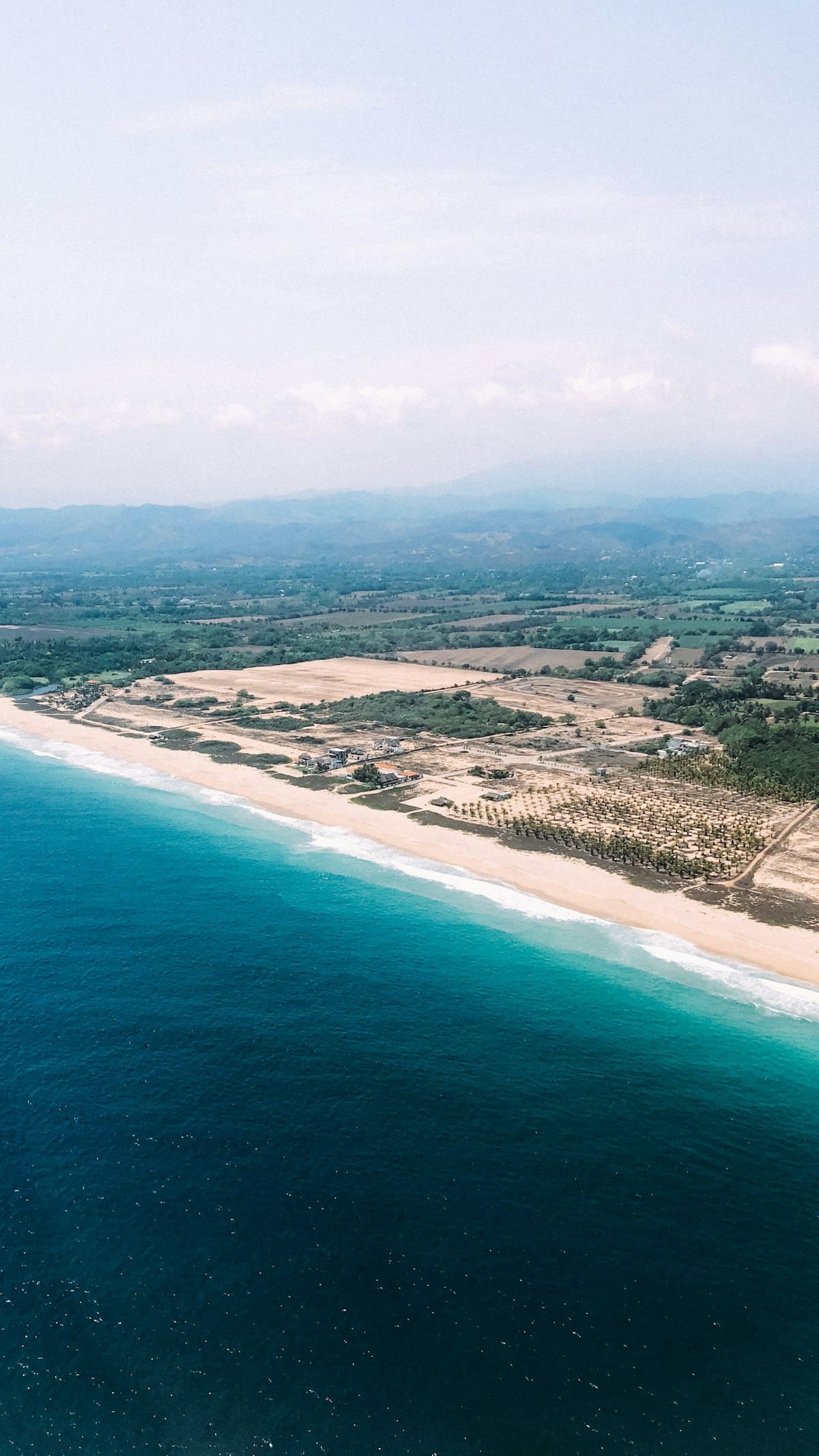
The beach at Chacahua faces directly onto the Pacific and receives consistent swell. It is not a beginner surf beach — the shore break can be powerful and the currents are real — but for experienced surfers it is a genuinely good stretch of coast, relatively uncrowded. The beach also has sea turtle nesting activity during the season (roughly November through February for olive ridley turtles), and the local conservation program patrols and protects nest sites. If you are visiting during nesting season, walk carefully at night and follow any guidance from community members managing the program.
Chacahua village
The village is small — a cluster of houses, a few restaurants serving fresh fish, some basic accommodation. It functions on its own rhythms and is not organized around tourism, which is one of its more appealing qualities. The fishing cooperative works out of here, and the community conservation program for sea turtles is community-run. Treat it as you would any working village: be a decent guest.
Accommodation
In Chacahua village: There are basic cabañas available for rent, ranging from simple palapa structures to slightly more built-out rooms. Advance reservations are not always possible or necessary outside of peak season (Semana Santa and December–January). Electricity in the village is limited; come prepared.
In Zapotalito: Several posadas on the lagoon side offer rooms with more reliable infrastructure and are a reasonable base if you plan to day-trip into the park by lancha. The town itself is quiet.
Near the park: Rancho de las Estrellas, on the eastern edge of the national park, offers a different kind of stay — if you want to understand what visiting looks like on this side of the lagoon, that is the place to start.
Best time to visit
The dry season, running roughly from November through May, is the most comfortable time to visit. Temperatures are warm but not oppressive, the skies are clear, and the roads are in better condition. The mangrove channels are navigable and the wildlife is consistently visible.
The rainy season (June through October) brings heavier vegetation, higher humidity, and occasional road flooding on the approach. The park does not close, but the experience is different — greener, muggier, and more variable. Sea turtle nesting activity falls in this period, which is a reason some visitors specifically choose it.
Semana Santa (Easter week) and the period between Christmas and New Year bring significantly higher visitor volumes to the Puerto Escondido area; some of that traffic reaches Chacahua, though it remains quieter here than at more developed destinations.
What to bring
- Cash. ATMs do not exist in Chacahua village, and card payments are not reliable. Bring enough for your stay plus the boat crossings and meals.
- Water. The village has limited access to clean drinking water; bring your own or purchase sealed bottles in Zapotalito before crossing.
- Sun protection. The Pacific light here is direct and the shade on the beach is limited. A hat is not optional.
- Insect repellent. The mangroves are beautiful and the mosquitoes are aware of this. Dawn and dusk are the active periods.
- A light layer for the evenings, particularly in the dry season when temperatures drop after sunset.
- If you are surfing: know the conditions before you paddle out. This is not a babysit-your-guests kind of beach.
A note on the place
Chacahua is worth visiting because it is, still, what it is — not a version of itself cleaned up for visitors. The fishing community is real. The wildlife is not performing. The lagoon functions as a lagoon rather than as a backdrop.
If you are coming from Puerto Escondido for a day, give yourself more time than you think you need. If you have the flexibility to stay overnight, do. The light changes in the evening in a way that is difficult to describe and easy to remember.
For context on the land we steward at the edge of the park, the Chacahua section of our site has more detail on the ecosystem and our relationship to it. And if the idea of spending more than a few days here appeals to you, the visit page is the right starting point.