I grew up not far from here. The birds in this lagoon system are not new to me — I learned their names before I learned to read, first in Spanish, then in the names my grandmother used, which do not appear in field guides. The garza blanca. The garzón. The cotorra that arrives and leaves with a kind of indifference to anything you might think of as schedule.
When people ask me what wildlife they will see at Lagunas de Chacahua — the national park at the edge of which we have built Rancho de las Estrellas — I try to be honest. You will see a great deal. You will also see it on its own terms, not on yours. The lagoon is not a managed nature park with guaranteed sightings. It is a functioning ecosystem, and the animals in it are going about their lives regardless of whether a visitor happens to be watching.
What I can tell you is what is actually here, what season it favors, and what is worth paying attention to.
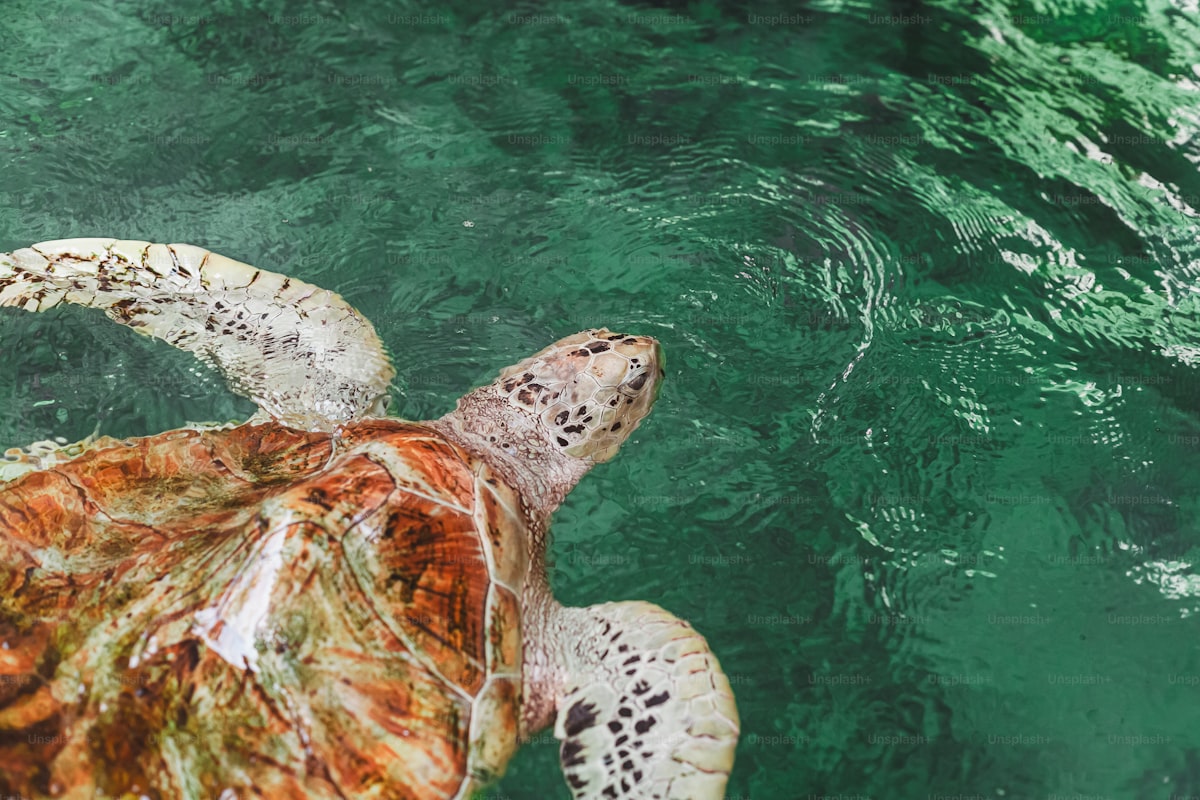
The birds
The lagoon system at Chacahua is genuinely exceptional for birds. I say this not as a promotional statement but as a description of what I have observed over years of being in and around this landscape.

Wading birds and waterbirds
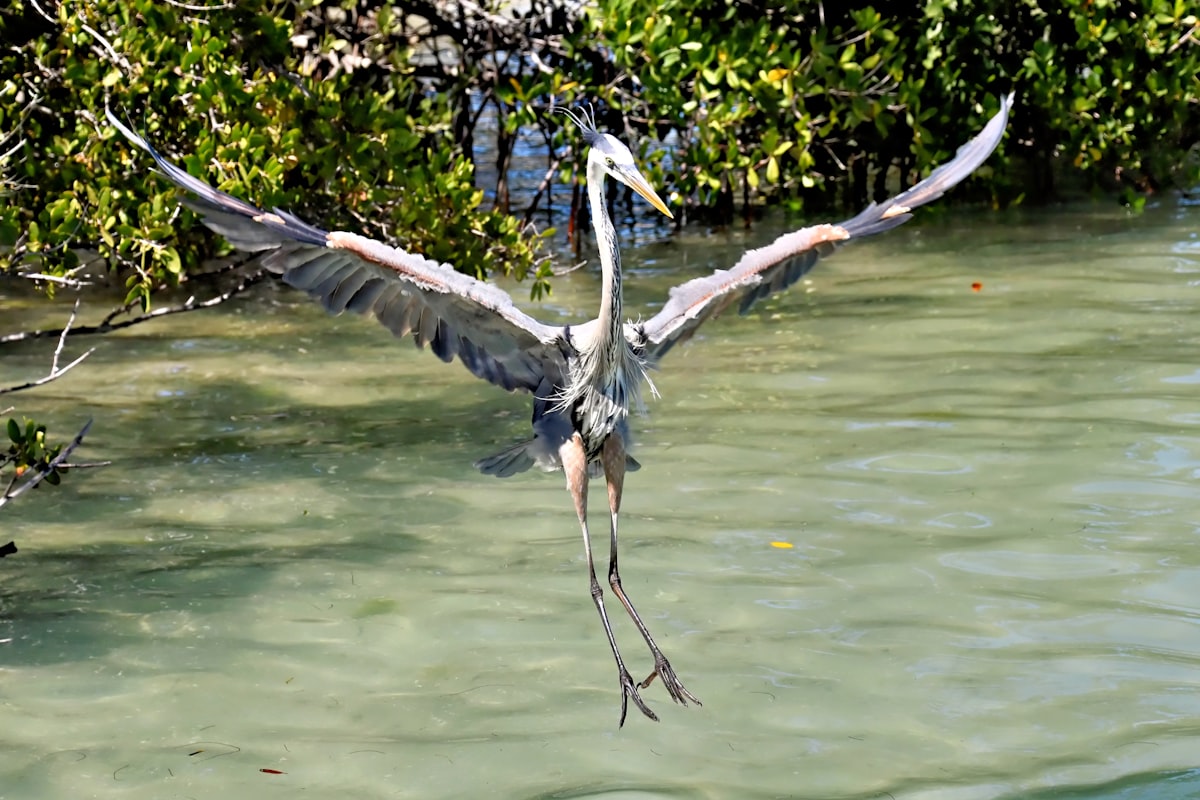
The great blue heron — garza morena in Spanish — is a near-constant presence along the lagoon margins and channel edges. They stand in the shallows with the particular patience of a bird that has figured something out. You see them at any hour, in almost any season. They are not rare here; they are residents.
Roseate spoonbills are more startling when you first see them. The pink is genuinely that pink — not a photographic enhancement — and the spoon-shaped bill is exactly as improbable-looking as it sounds. They feed by sweeping through shallow water, and you will most reliably find them in the quieter inner channels of the lagoon in the early morning and late afternoon. They are present year-round but more numerous during the dry season when water levels lower and the shallows concentrate their food.
Various egret species move through the same habitat — great egrets, snowy egrets, and the tricolored heron, which the local fishermen call the garza pedreguera. They occupy slightly different positions in the water column and different sections of the lagoon margin, though to a casual observer they can all look like variations on the same idea.
Frigatebirds and pelicans
Brown pelicans are among the most visible birds here simply because of their size and their habit of flying in low formation over the lagoon mouth and the Pacific beach. They dive for fish with a commitment that looks faintly reckless. You will see them from the Zapotalito pier, from the boat crossing, from the beach — they are present throughout the day.
Frigatebirds are a different kind of spectacle: large, dark, with forked tails and a habit of soaring at considerable height above the coast and lagoon. They are kleptoparasites, which means they steal food from other birds in flight, and watching a frigatebird intercept a pelican mid-air is one of the stranger things this coast routinely offers. They roost in the mangroves, and in the afternoon you will often see groups of them spiraling upward on thermals.
Smaller species
Belted and ringed kingfishers work the channels actively — you usually hear the rattling call before you see the bird. They perch on low branches over the water and dive vertically. The green kingfisher is also present in the denser mangrove sections, though smaller and less conspicuous.
Ospreys patrol the lagoon and channel mouths during the winter months. Various shorebirds use the lagoon margins seasonally. The bird diversity here rewards anyone willing to move slowly and wait, which — it should be said — is a skill the lagoon teaches if you spend enough time here.
Sea turtles
The Pacific beach at Chacahua is a nesting site for olive ridley sea turtles (golfina, in the local usage). The nesting season runs primarily from November through February, though individual turtles may nest outside this window.
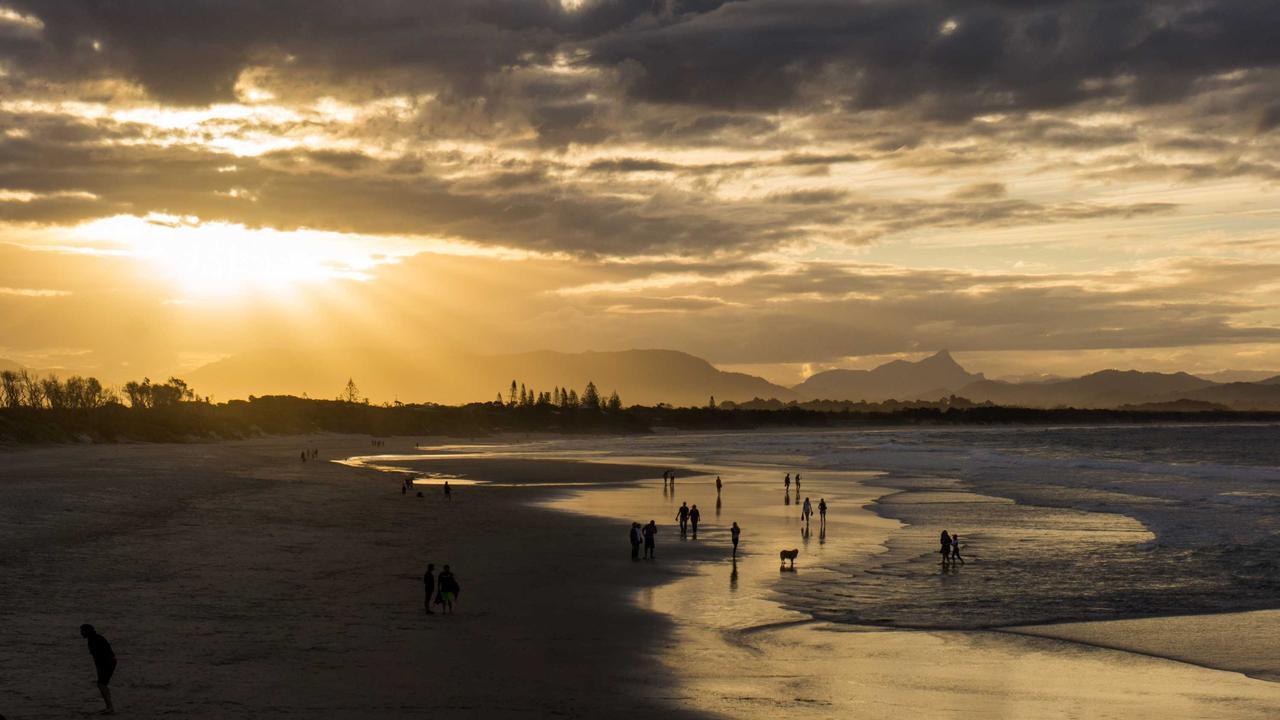
Olive ridleys are the most numerous sea turtle species on Mexico’s Pacific coast, but that relative abundance should not suggest that their nesting is routine or assured. The community conservation program operating out of Chacahua village has been protecting nest sites for years — monitoring the beach at night, relocating eggs when nests are in vulnerable positions, releasing hatchlings under supervision. This is not a commercial turtle tour. It is a community program, and interactions with it are on the community’s terms.
If you visit during nesting season, walk the beach at night with care and minimal light. Nesting females are sensitive to disturbance and will return to the ocean without laying if they feel threatened. If you encounter community members monitoring nests, ask before approaching. The program works because the local community does the work.
Hatchling emergence, when it happens, is one of those things that is genuinely difficult to describe without resorting to language that sounds like it belongs in a different kind of writing. I will say only that a beach full of hatchlings moving toward the Pacific in predawn light is something you do not quickly forget.
Caiman crocodilians
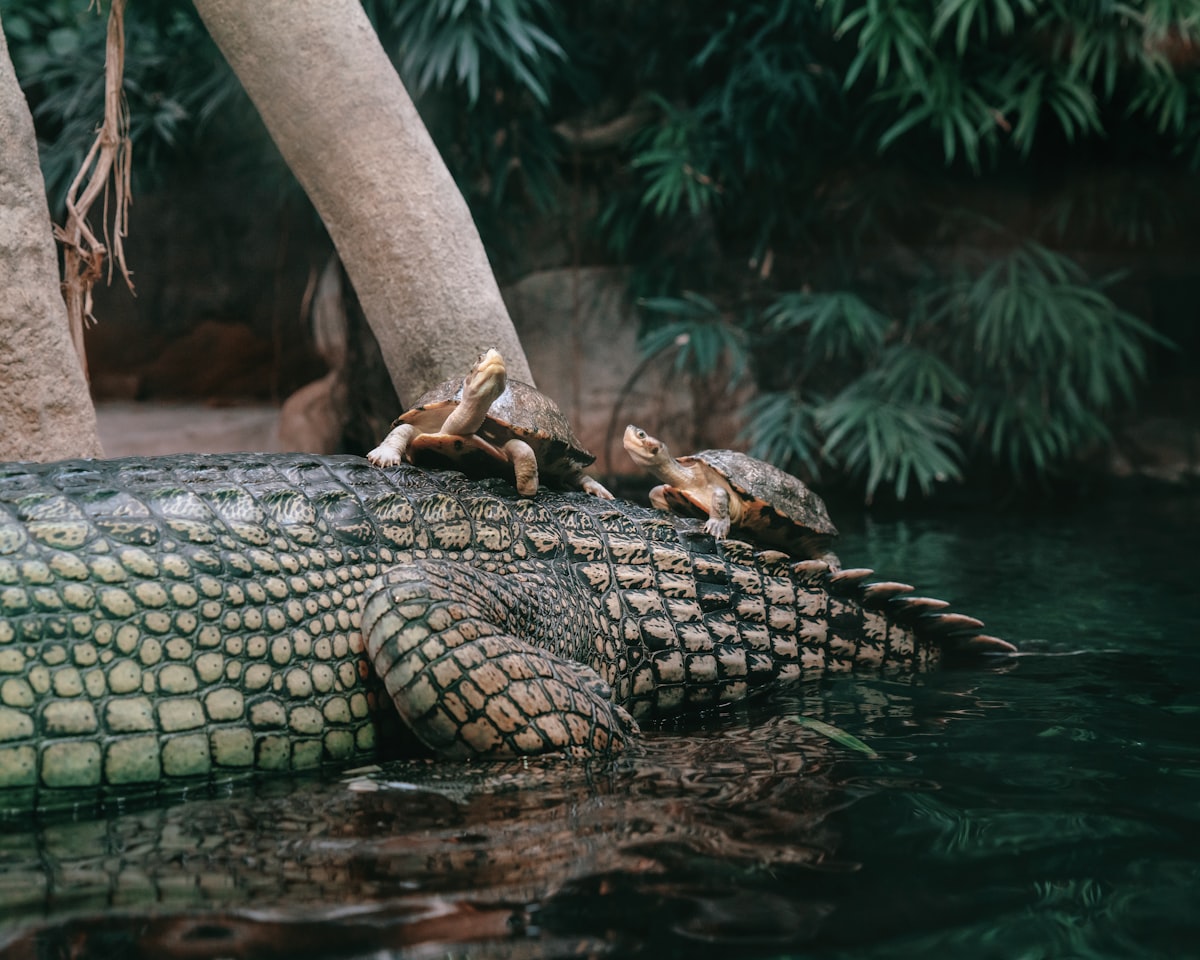
The lagoon channels, particularly the quieter backwater sections with dense mangrove cover, support a population of Morelet’s caimans — cocodrilo de pantano is the regional name. They are not aggressive toward humans under normal circumstances, but they are large reptiles in a habitat they know well, and they deserve the standard respect you give to any large predator in its home environment.
You are most likely to spot them at night, when their eyes reflect light. During the day they tend to rest in the shade of the mangroves, often partially submerged and very easy to overlook. In years of being around this lagoon I have more often noticed them after the fact — the stillness where there had been movement, the water that settled differently than water usually settles.
Local lancha operators who know the system will know the channels where caimans are reliably present. This is worth asking about directly.
Fish and artisanal fishing
The lagoon and the channels support robust fish populations that the Chacahua fishing cooperative has worked for generations. Snook, mojarra, catfish, and mullet are among the species commonly caught. The lagoon’s health — its mangrove fringe intact, the water quality maintained by the flow between the lagoons and the sea — is what sustains the fishery.
The fishing cooperative’s continued presence is, to my mind, one of the most important indicators that this ecosystem is functioning. Industrial extraction has not reached this system in the way it has elsewhere. The fishing is still done at a human scale, with nets and knowledge, on a timeline set by tide and season rather than by market demand. Whether that continues depends on many things, including the continued health of the protected area.
When you eat fish at one of the restaurants in Chacahua village, you are eating something that came out of that lagoon or that coast within the last 24 hours. That is not a small thing.
The mangroves as system
It is worth saying something about the mangroves themselves, because the wildlife does not exist apart from them. The mangrove forest is the infrastructure of this ecosystem. The root systems create habitat for juvenile fish, crustaceans, and invertebrates. The root tangles and canopy provide nesting and roosting sites for the herons, egrets, and frigatebirds. The trees filter sediment and stabilize the shoreline.
Healthy mangroves are not photogenic in the way that other landscapes are — they are dense, dark, and slightly impenetrable-looking. But they are what makes everything else possible here. The birds are here because the fish are here. The fish are here because the lagoon is here. The lagoon is here, in the form it is, because the mangroves have been holding the channels and the water quality for longer than any of us have been paying attention.
This is part of why the 70 percent open land commitment at Rancho de las Estrellas is not an abstract policy decision. It is a response to the place we are in. The land here is part of a system, and what we do on it either supports that system or degrades it.
If you are curious about spending time in this landscape — not just passing through it — the Nandia nature school works directly with this ecosystem as part of its education program. Or if you want to know what a longer stay at the rancho looks like, the visit page is the place to begin.
The wildlife will be here when you arrive. Arrive with some patience, and they will let you watch.