I came to the Oaxacan coast the way most people do: with a surfboard, a loose timeline, and the vague idea that I would know the right place when I found it. That was before I understood that searching for land is not really a rational process. You can make spreadsheets and rank locations by rainfall and road quality and proximity to markets. I did all of that. None of it mattered much in the end.
The place that became Rancho de las Estrellas — our intentional eco-community on the Pacific coast of Oaxaca, at the edge of Lagunas de Chacahua National Park — did not announce itself dramatically. It just kept pulling me back until I stopped resisting.
The search, before Chacahua
Before I arrived here, I spent time looking at land along most of coastal Mexico. Tulum was already too transformed — the jungle cleared for boutique hotels, the cenotes priced as amenities, the community replaced by a scene. It is a beautiful place that has become something else.
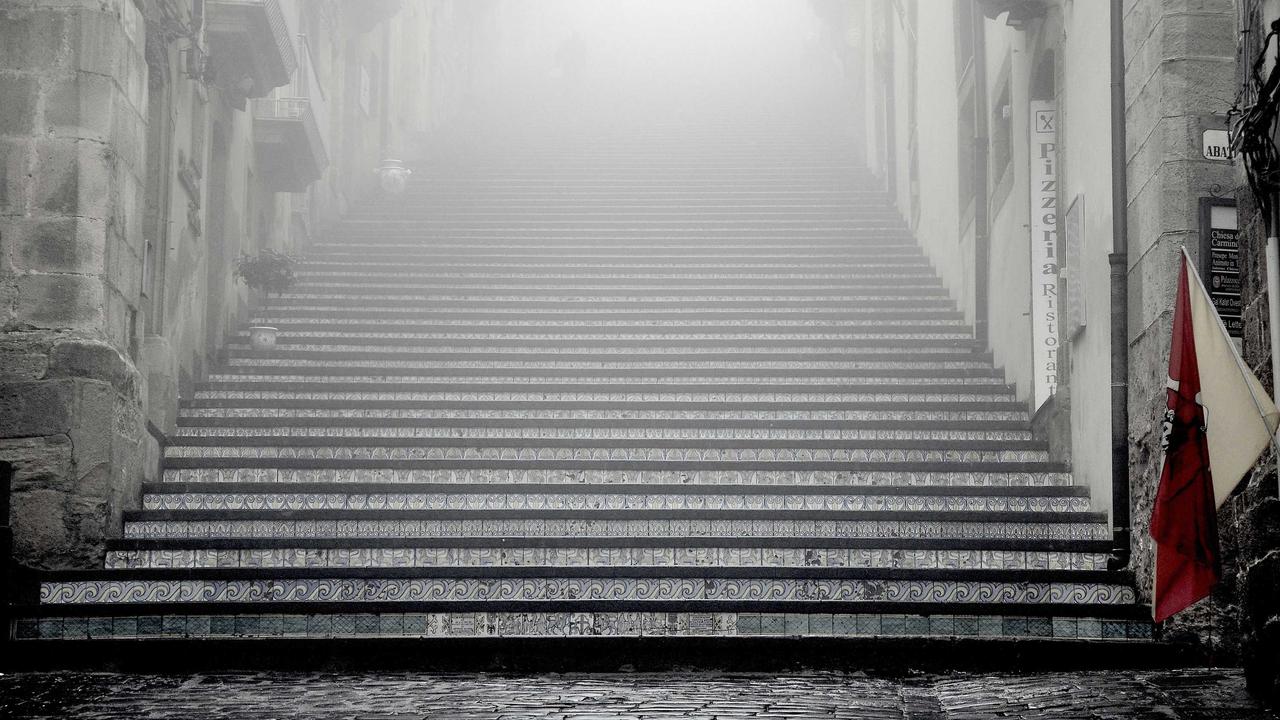
San Pancho, in Nayarit, had more of what I was looking for: a fishing village still functioning, surf, a slower pace. But the land prices had moved ahead of any realistic timeline for building something thoughtful, and the community of buyers moving through that area had a certain sameness to it. I wanted something less pre-packaged.
I spent weeks in Mazunte and the surrounding stretch of coast — Zipolite, San Agustinillo. These are places where an earlier generation of seekers had already done the work of establishing intentional living, and there is something genuinely nourishing about that lineage. But the land available was fragmented, and the stretch of coast, while wild in some ways, had the feeling of a corridor already decided.
I was not looking for perfection. I was looking for a place where something real could still be built slowly, from the ground up, without immediately competing with existing development or erasing what was already there.
What made Chacahua different
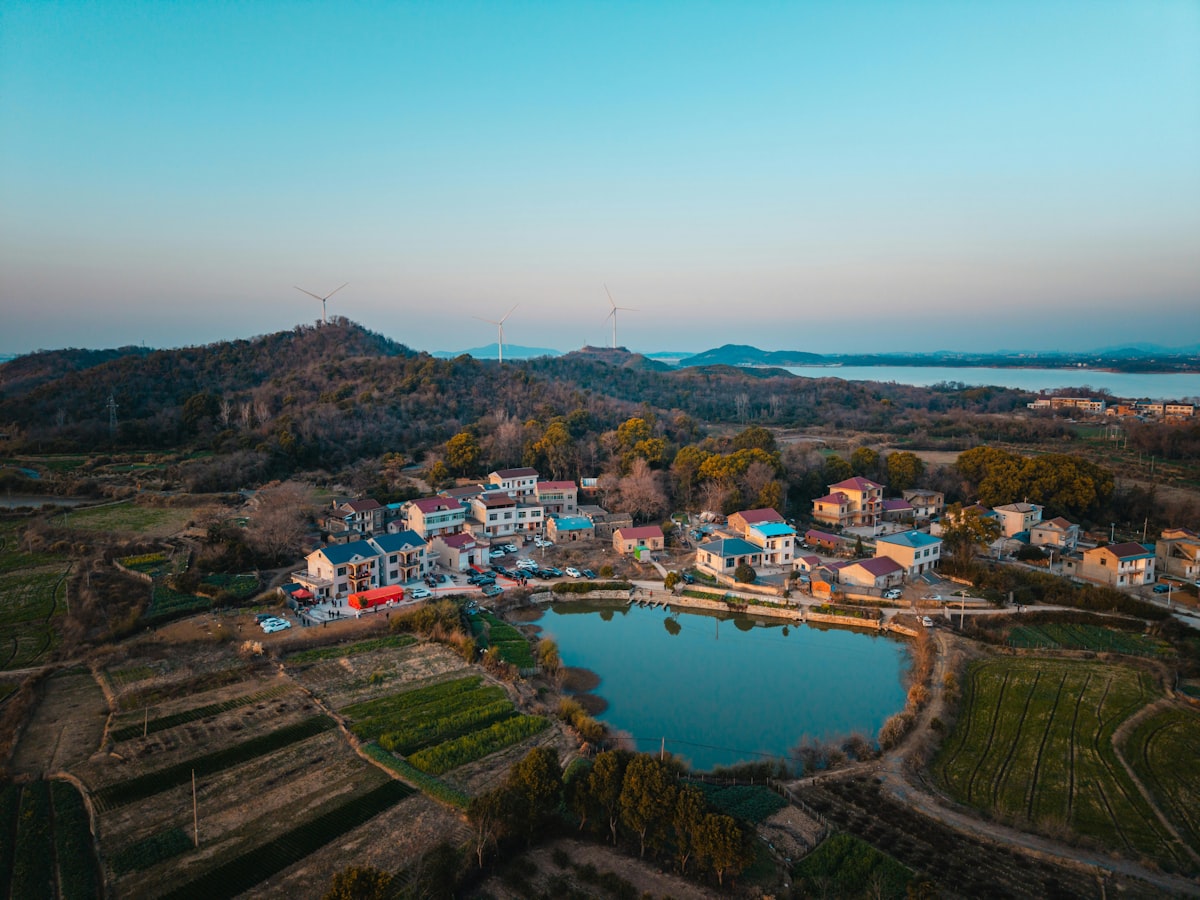
The first time I drove the 58 kilometers from Puerto Escondido to the Zapotalito embarcadero, I did not immediately understand what I was seeing. The road passes through small towns and agricultural land before the landscape opens into something else — wetlands, palm groves, the first glimpse of the lagoon system that defines this stretch of coast.
Lagunas de Chacahua is a federally protected national park. That legal status is one reason the coastline here remains what it is: a connected system of freshwater and brackish lagoons separated from the Pacific by a narrow strip of land, lined on every channel by mangroves that have been growing here far longer than anyone has been keeping records. The fishing community in Chacahua village still works the lagoon in the way fishing communities have always worked it — with knowledge passed between generations, with attention to season and tide, without the kind of industrial extraction that has emptied other fisheries along this coast.
There were no resort projects in planning. No highway expansion underway. The nearest international airport is in Puerto Escondido, roughly a 50-minute drive, which keeps the place accessible without making it convenient in the way that destroys places. The mangroves absorb the light and the sound. The pace that remains here is a pace you have to be willing to match.
The dark skies and the name
One thing I was not expecting: the darkness.
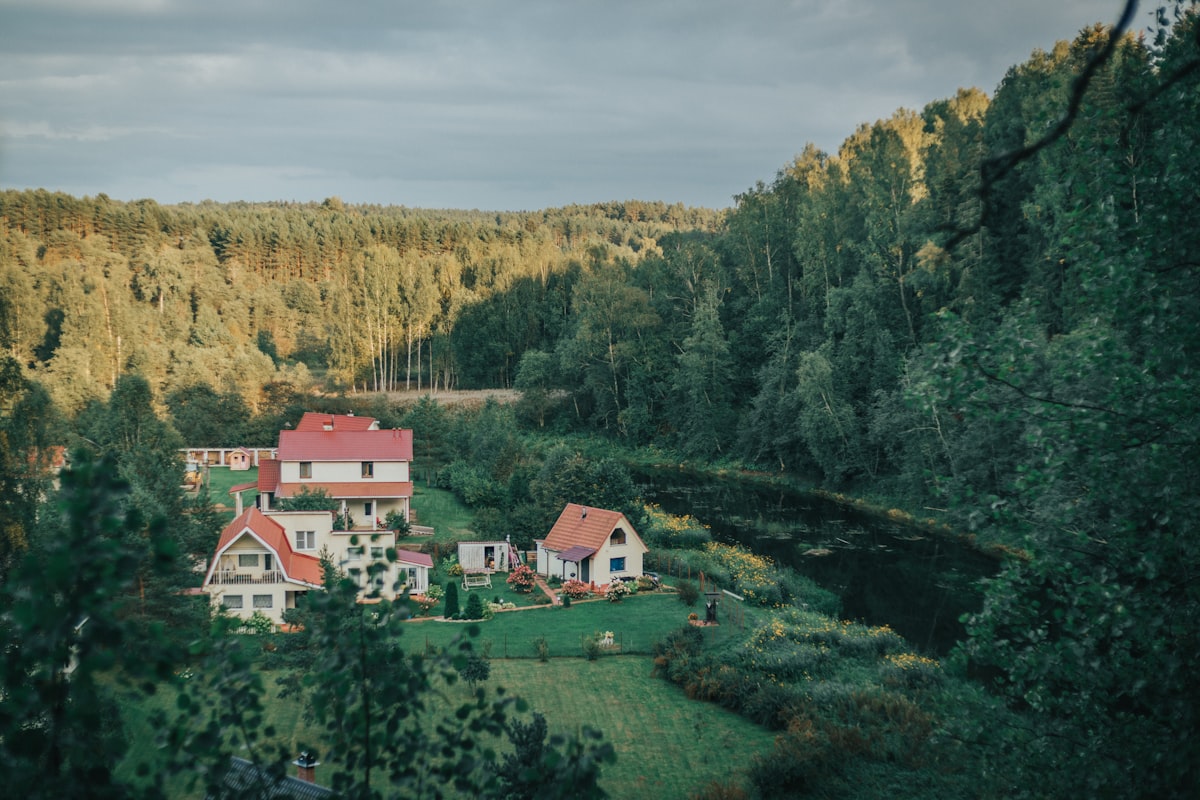
On a clear night away from the village, standing on what is now our land, the sky is not the muted gray-black of most places I have lived. It is genuinely dark, the kind of dark where the Milky Way is not a photographic effect but simply what you see when you look up. The constellations are where they are supposed to be. The satellites move through them in silence.
The name — Rancho de las Estrellas, Ranch of the Stars — came from that. Not as a marketing concept but as a description of a specific experience on a specific night. Luisa and I were standing in what would become the center of the property, and she said, matter of factly, that it looked like a ranch of stars. That was it.
The stars are one of the first things visitors notice. They are also one of the reasons this place is worth protecting from the kind of development that would eventually light-pollute the sky the way it has everywhere else.
The decision to stay
Choosing to found an intentional community is not a single decision. It is a series of smaller ones, each of which could have gone differently. The choice to buy land in propiedad privada — privately titled land rather than ejido — was deliberate. It provides a legal foundation for long-term planning and for the kinds of land stewardship commitments we wanted to make. Seventy percent of the property will remain open: no structures, no clearing, no development. That commitment is built into how we think about everything we build here.
Luisa Barrientos, who grew up in this region and knows it in ways I am still learning, was essential to understanding what already existed here before we arrived. The food forest that Boaz Agmon has been developing, the retreat work happening through YogaMala, the nature school that Nandia has become — none of this was planned in advance as a complete system. It grew from the land and from the people who kept arriving and staying.
The surf is also genuinely good. That was not irrelevant.
Why this place, and not another
I have been asked many times why here rather than somewhere with better infrastructure, easier access, more established community. The honest answer is that those factors describe a different project — one that is easier to start but harder to keep meaningful.
Chacahua is remote enough that the people who come here come with intention. The national park ensures that the surrounding landscape is not going to be simplified into something more legible and less alive. The fishing community’s continued presence is a reminder that this place has a life that predates us and will outlast whatever we build.
There is a phrase that gets used too often about places like this — that they are “undiscovered.” Chacahua is not undiscovered. It is known to the people who live here, and to a smaller number of travelers who have made the effort to arrive. What it is, still, is undomesticated. That is the thing worth protecting.
If you are curious about what we are building here — and what it might mean to be part of it — the best place to start is our vision page or, if you are ready to think concretely, what it looks like to make this place yours.
We are not in a hurry. Neither is the lagoon.