The most consequential decision we made about eco community land ethics at Rancho de las Estrellas was not about what to build. It was about what to leave alone.
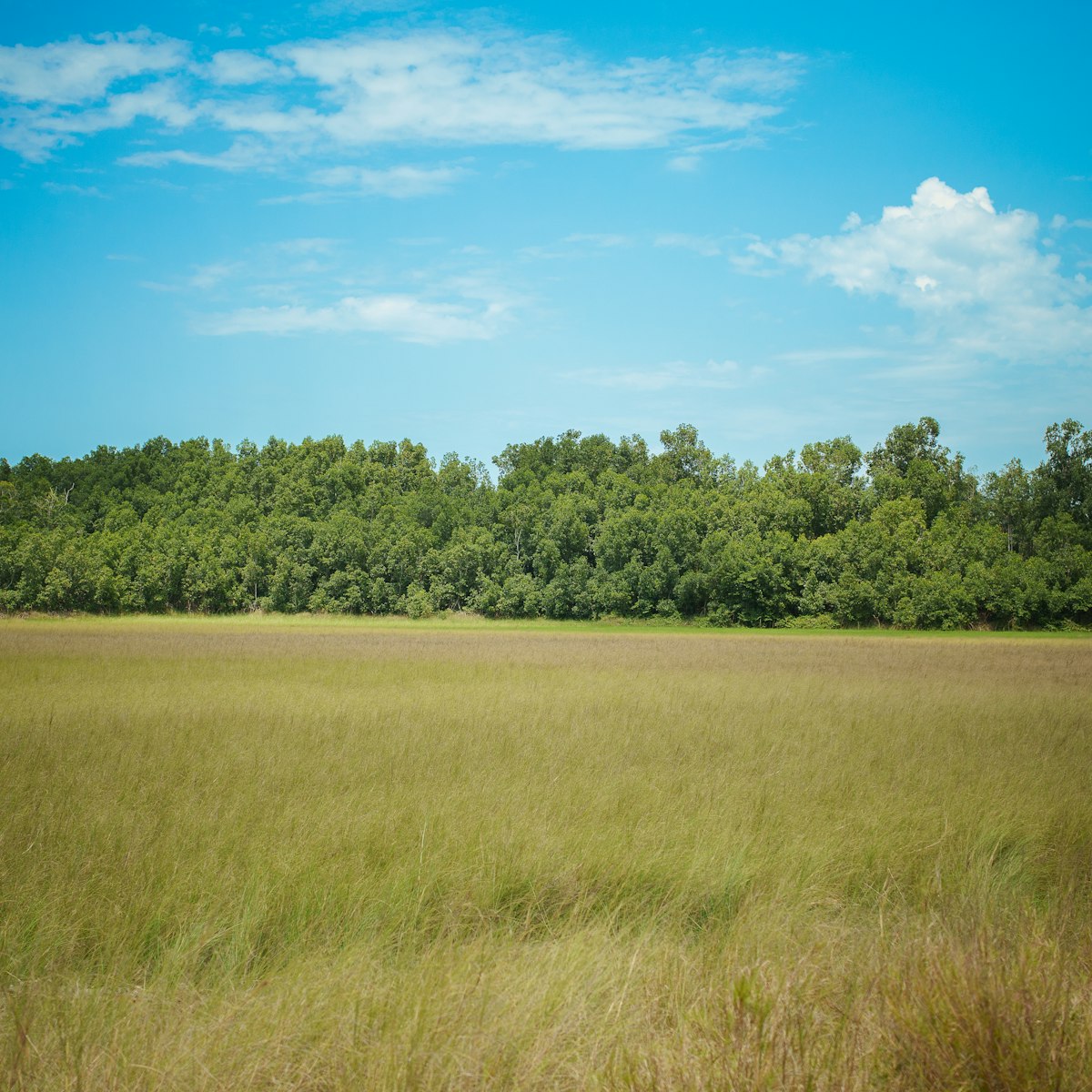
Fifty hectares of land on the Pacific coast of Oaxaca, adjacent to Lagunas de Chacahua National Park, with a lagoon on one side and a road cutting through the dry tropical forest on the other. The standard developer response to a parcel like this is to ask how many lots it can hold. I asked a different question: how little can we build and still create something real?
The answer we landed on — and the one we have held to — is that seventy percent of the land stays open. No structures. No clearing for structures. No roads cut through the conservation area. The land is held as forest, food-growing terrain, walking paths, and ecological buffer. The thirty percent that can be developed contains the residential lots, the infrastructure, the shared spaces, the retreat center, the nature school. That is where the human project lives. The rest belongs to something older and larger than us.
What the numbers actually contain
Let me be concrete about what thirty percent buildable means in practice, because the phrase can sound like a constraint without giving a sense of the scale.
Thirty percent of fifty hectares is fifteen hectares. That is enough land for a thoughtful residential community — individual lots with real privacy and meaningful space between them, access roads, shared gathering areas, the YogaMala retreat center, Nandia nature school, and the infrastructure that makes any of it function: water, electricity, a basic road network.
The buildings that will eventually stand here will not be crammed together. The lots are generous. The distances between structures allow the landscape to breathe between them. When you stand at the center of the property, what you see is mostly trees.
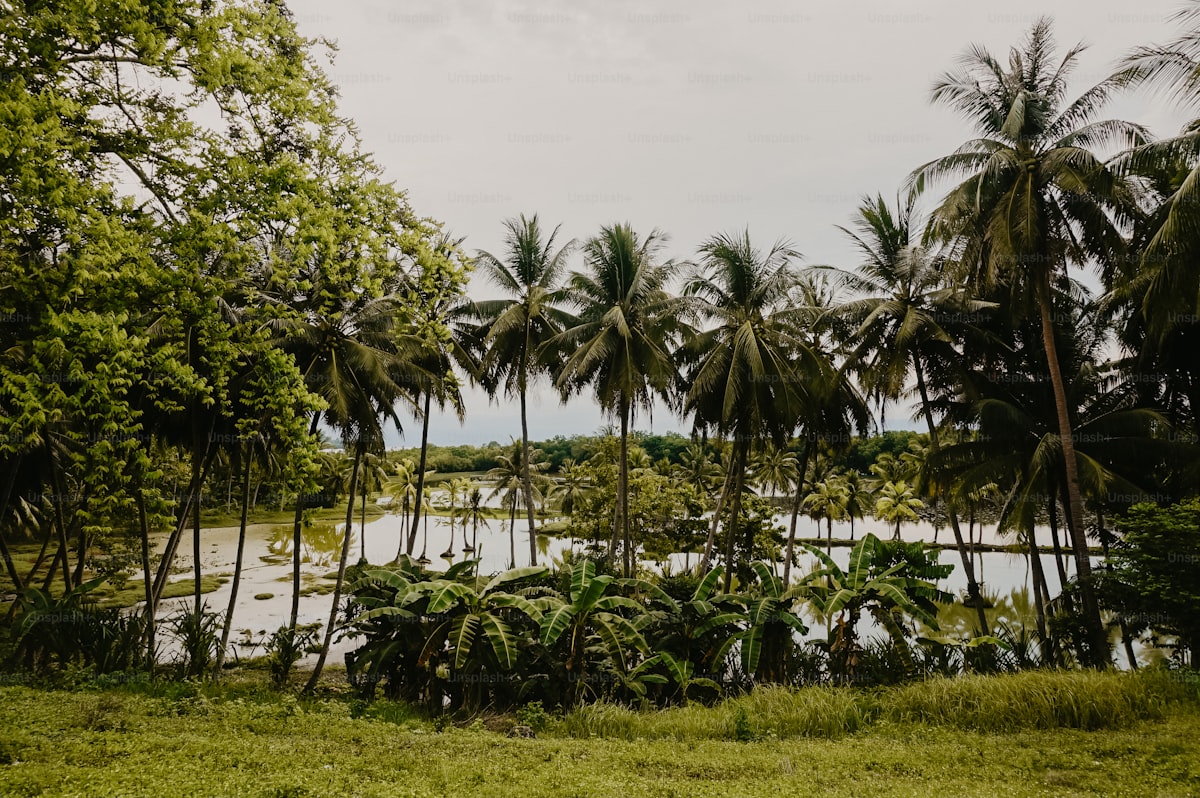
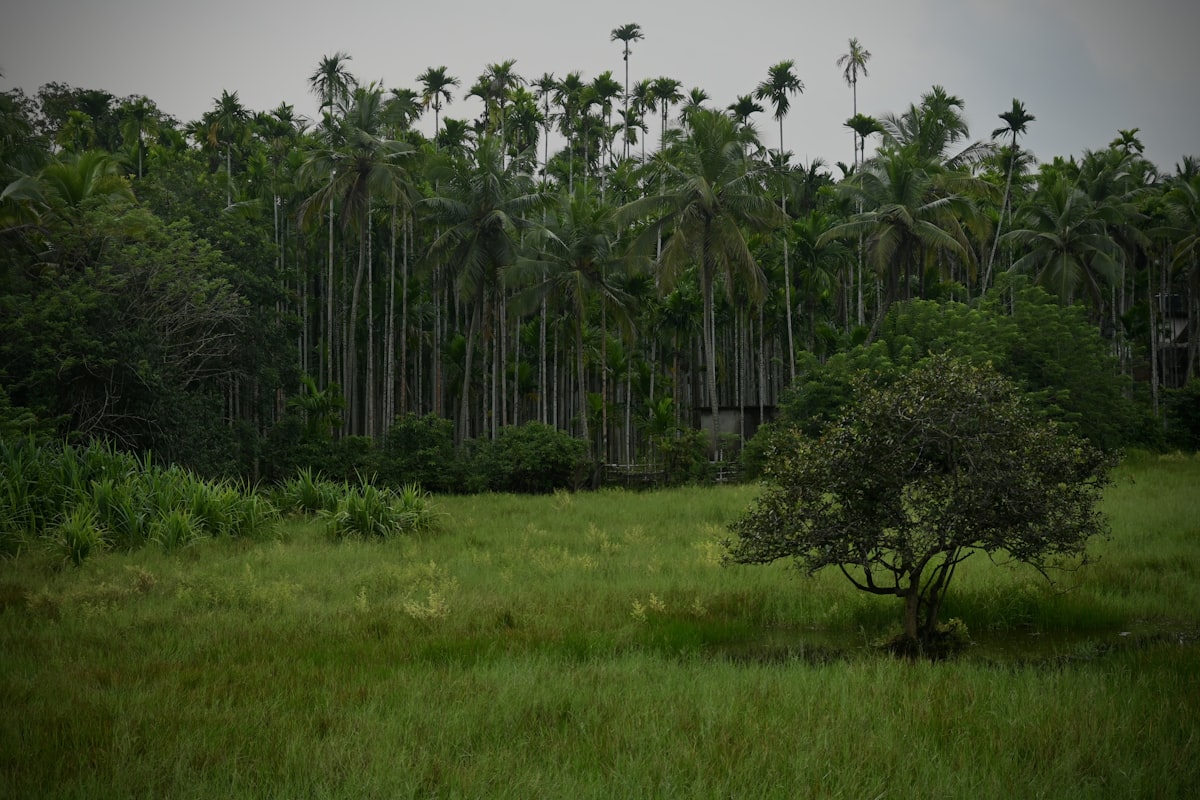
The seventy percent that stays open is not empty. It contains the food forest that Boaz Agmon has been developing — a layered planting of fruit trees, nitrogen-fixing species, understory plants, and ground covers that is designed to produce food while restoring soil biology and canopy cover. It contains native reforestation areas where we have been working to re-establish species that belong here but have been reduced by past clearing. It contains the walking paths that connect the residential area to the lagoon edge and the mangrove buffer. And it contains the area we have set aside for a future dark-sky observatory, far enough from any structure that the sky above it remains genuinely dark.
The logic that says build more
I want to be honest about the pressure that runs in the other direction.
The standard developer logic, and it is not stupid logic, is that land has value and that value is unlocked through subdivision. More lots, more buyers, more revenue — and with more revenue, the ability to build better infrastructure, attract better people, create a more resilient project. There is a version of Rancho de las Estrellas where we put forty or fifty lots on the property, graded roads to each of them, cleared the undergrowth for views, and priced them accordingly. The financial model would have worked.
We chose a different math. The math that says thirty lots on land that still feels wild is more valuable — to the people who buy here, to the ecosystem, and in the long run financially — than fifty lots on land that has been simplified into a subdivision. The math that says a community of people who share a genuine relationship to open land will take better care of it than a community of people who bought a lot and are mainly thinking about their own parcel.
It is also the math that says cleared land in a changing climate is a liability, not an asset. The forest cover we are maintaining moderates the microclimate, recharges the aquifer that our wells depend on, provides shade corridors for the walking paths, and supports the wildlife movement between the park and our property. These are not amenities in the resort sense. They are the conditions that make life here possible and pleasant over a long time horizon.
What this place would feel like if we had built differently
I have tried to imagine the version of this property with seventy percent built out. I can picture it: the roads cutting through what is now forest, the lots staked and graded, the undergrowth cleared for a certain kind of tidiness. The sky still dark at night — for a while, at least. The lagoon still close.
But the feeling of arrival would be different. The sense that you have come somewhere that is mostly itself, that the human project here is genuinely modest in scale relative to what the land is — that would be gone. What makes people stop when they first walk the property is not the buildings we have put up. It is the space between them. The canopy overhead. The sound of the forest doing what forests do.
The open land is what makes the residential land feel like a gift rather than a product.
The long bet
There is a longer argument here that I find more convincing the older this project gets.
Land with intact ecology — with connected forest cover, with living soil, with wildlife that actually uses it — is becoming rarer along the coast of Oaxaca and everywhere else. The cleared subdivisions that looked like good investments a decade ago are now expensive to maintain, ecologically simplified to the point of being unpleasant to live in, and increasingly exposed to the climate pressures that intact ecosystems moderate.
Land that has been kept as something close to itself, in a nationally protected landscape, adjacent to one of the best-preserved lagoon systems in Mexico, is a different kind of asset. Not liquid in the way a lot in a development is liquid. But durable in a way that cleared subdivisions are not.
We are making a long bet that the value of this place, for the people who live here and for the broader world that benefits from its ecological function, will compound over time rather than depreciate. The seventy percent that we have chosen not to build on is the foundation of that bet.
If you want to understand how the buildable thirty percent translates into actual lots and actual possibilities for building here, the build page and the make-it-yours page lay that out in detail. And if you want to understand the fuller vision behind all of this — why the land ethic is not separate from the community vision but central to it — the vision page is where that conversation lives.
The land is doing its work. We are trying not to interrupt it more than necessary.