The phrase “surf yoga retreat Pacific coast Mexico” pulls up a lot of options, and most of them are selling something I recognize but don’t particularly identify with — an aspirational aesthetic, a version of active rest that looks like a photoshoot and costs accordingly. What I want to describe is more specific: what actually happens in your body when you combine these two practices, in this environment, over the course of a week. Not the photograph of it. The physical reality.
There is a genuine logic to pairing yoga and surf, and it has nothing to do with brand identity.
The physical argument
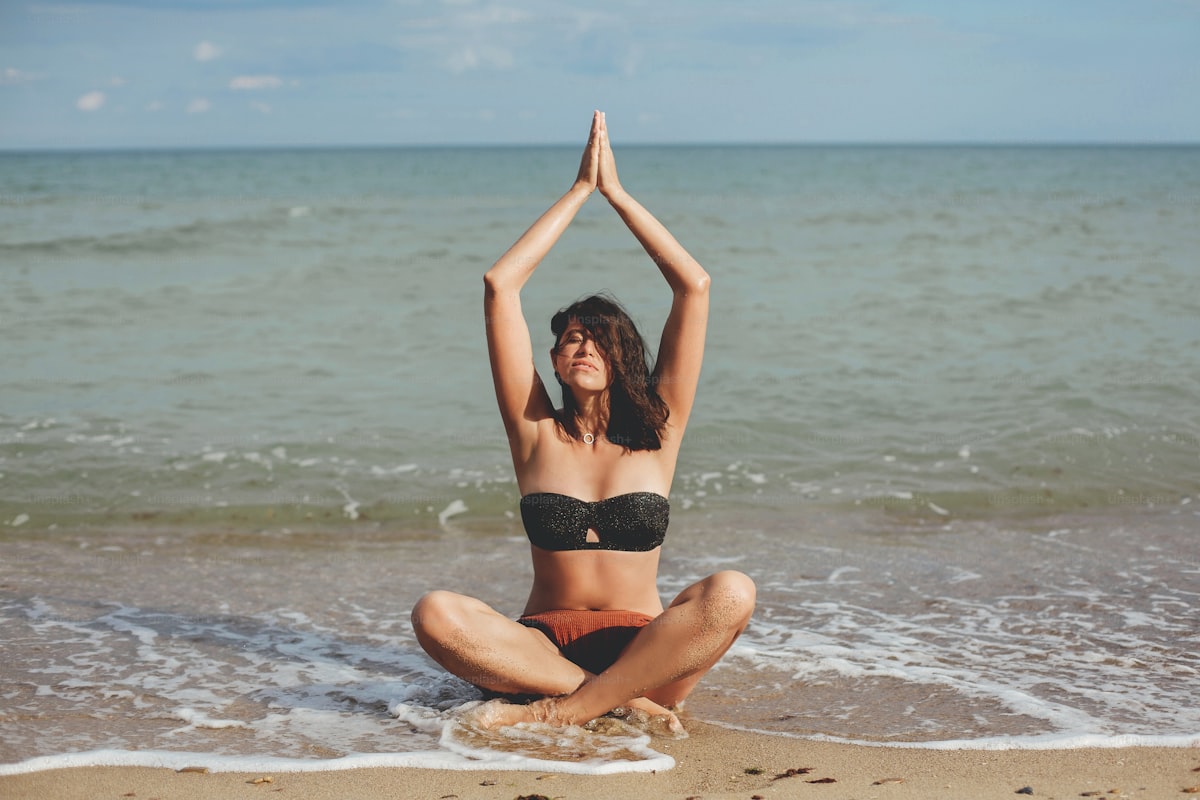
Morning yoga is a specific kind of preparation for an afternoon surf session, and I don’t mean that in a vague way. The hip opening in the morning — deep lunge work, pigeon, long-held externally rotated shapes — directly affects how freely you pop up on a board in the afternoon. The shoulder and thoracic spine work in a yoga practice addresses exactly the areas that paddling loads. The breath awareness that takes up the first third of a good morning class is the same breath awareness that keeps a surfer loose during a hold-down.
None of this requires a marketing claim to be true. It is just what the body does when you open the relevant structures before asking them to work.
The reverse is also real. After a surf session, the body has been in a reactive, external, entirely committed mode — reading water, responding without deliberating, absorbing impact. That quality of physical work produces a particular kind of exhaustion that morning yoga alone doesn’t reach. By evening, after both, you have done something complete. The sleep is different. The body knows it has been used.
This is why the combination is not a marketing gimmick at YogaMala. It’s a physical structure that makes sense, and the week is designed around it.

Getting to the surf
Playa Chacahua is a thirty-minute lancha ride from the Zapotalito pier, across the lagoon. The boat ride is part of the experience in a way I want to describe accurately.
You leave the pier and cross open water flanked by mangrove. The lagoon surface in the afternoon is usually textured — a slight chop from the wind that has been building since midday. Frigate birds are almost always visible high overhead, not flapping, just suspended. After about fifteen minutes the channel narrows and you smell the shift from lagoon water to salt air. Then the boat comes around a bend and the Pacific opens in front of you.
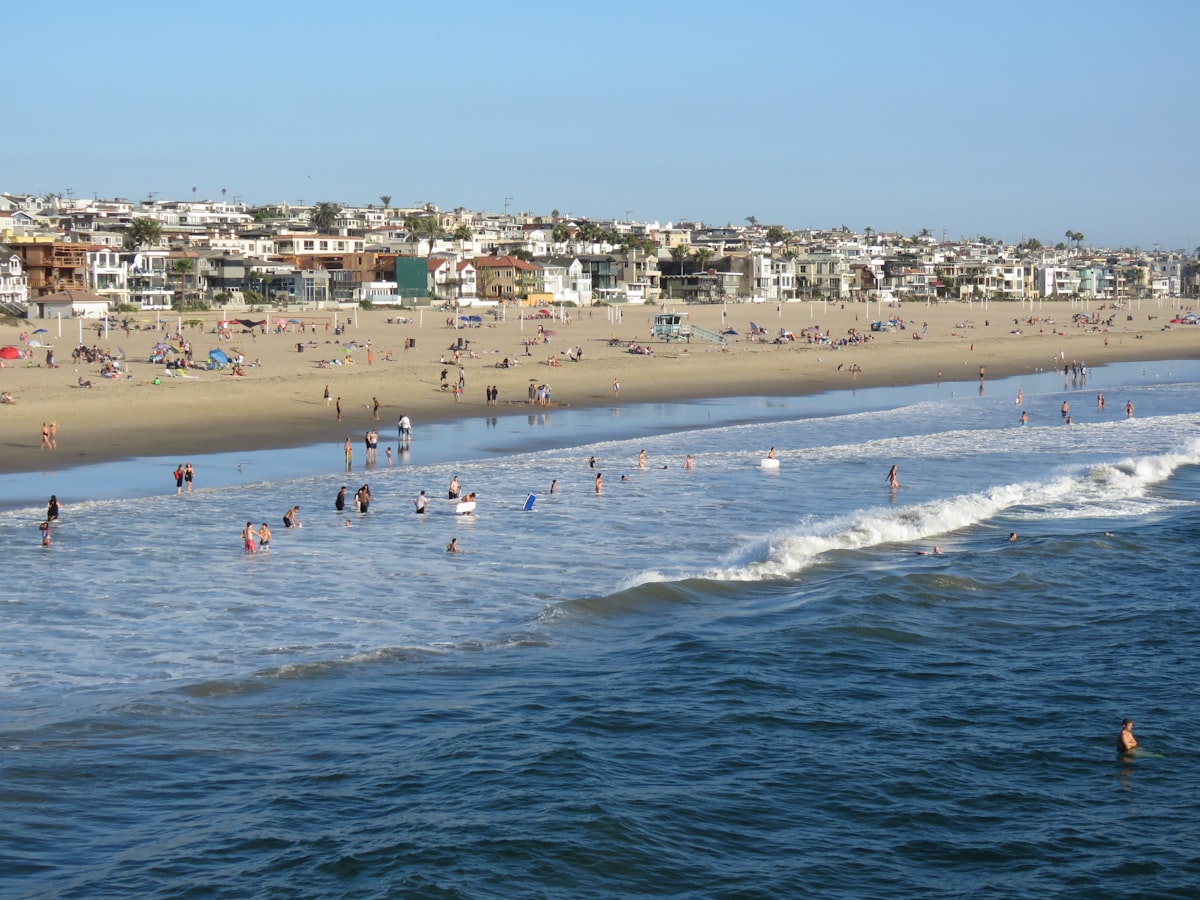
The beach at Chacahua is long, brown sand, with a shore break that reads clearly from the shoreline. By this point in the day you have already done a morning practice, eaten twice, rested during the worst of the midday heat, and sat through an afternoon session. When you hit the water you are not carrying the day’s accumulated stress the way you might be arriving at a break from a city commute. You are already somewhere else.
What the surf is actually like
I want to be honest about this because overselling the surf is one of the ways retreat descriptions mislead people.
Playa Chacahua has a beach break. It is not a point break, it is not consistent left or right — it shifts depending on the swell angle and the sandbars, which move seasonally. The swell is most reliable from October through May. The wave height runs from waist to chest most days in season, occasionally head-high when a strong swell comes through. There are bigger days. There are flat days. There are choppy afternoon days when the onshore wind ruins the surface before you get there.
This is not a world-class wave. It is not the place a competitive surfer comes to train. It is an honest beginner-to-intermediate shore break on a long, uncrowded beach, and it is sufficient for what a surf and yoga week is actually for — which is getting in the water, learning to read a wave or improve what you already know, and being physical in the Pacific.
The crowd situation is a real feature. On most sessions there are few enough people in the water that you can take your time, make mistakes without consequence, and negotiate the lineup at your own pace. If you are learning, this matters.

Beginners and experienced practitioners
People who have a yoga practice generally pick up surf body mechanics faster than those who don’t — not because of any mystical connection between the disciplines, but because yoga practitioners have more vocabulary for their own bodies. They’ve been asked to notice weight distribution, center of mass, where the hips are in relation to the feet. Pop-up mechanics respond to that vocabulary.
That said, beginners should expect the first session to be humbling. The ocean does not care about your yoga practice when you’re getting worked by a set. The wipeouts are part of it, and they’re worth something — you learn where your body is under stress in a way the mat doesn’t teach.
Experienced surfers who come with a yoga background describe the combination differently. What the morning practice gives them is a more open thoracic spine, less shoulder fatigue across the week, and a quality of body awareness that sometimes shows up in the water as quieter decision-making. Less reactivity, more perception. Not everyone notices it. Some do.
What the arc of the day looks like
Six in the morning: practice on the shala. The sun is not fully up. The lagoon is silver. Ninety minutes of movement in salt air with the birds doing their business outside the open walls.
Breakfast at seven-thirty, simple food, no agenda for the late morning.
The late morning hours are unscheduled. Some people rest. Some walk. The land at the Rancho is fifty hectares and much of it accessible — the food forest, the lagoon edge, the paths through the vegetation that the community has been working since 2023. The free time is not a gap in the program. It is the program.
Afternoon session at two: breathwork, yin, theory, or whatever the day’s focus is. Forty-five minutes to an hour.
Four-thirty: the lancha to Chacahua. You surf until the light goes low and the wind changes, usually around six. The boat back crosses a lagoon that has changed color entirely from the morning version.
Sunset happens over the water on the return. On good evenings you watch it from the boat, which is one of the better places I have found to watch a Pacific sunset.
Dinner. Optional evening session. Sleep by nine-thirty or ten.
What the absence of distraction actually does
The signal at the Rancho is inconsistent. The internet is not reliable in the way that urban internet is reliable. This is not something I am offering as an attraction — it is simply a fact of the location. But what it produces over a week is worth naming.
The background process that most people run continuously — the checking, the half-attention given to the phone between activities, the low-grade monitoring of feeds and messages — runs out of input here. It doesn’t stop immediately. On day one, the reflex to reach for the phone happens dozens of times and finds nothing. By day three, the reflex frequency drops. By day five, many people have forgotten to be bothered by it.
What fills that space is not boredom. It is attention to what is actually present: the body moving in the shala, the water under the lancha, the wave in front of you, the sky, the person sitting across the table. It is just attention with fewer claims on it than usual, and in a week it produces a quality of rest that is qualitatively different from vacation rest.
An honest warning
Some people arrive expecting this to function as a vacation. A week at the beach, some yoga thrown in, pleasant relaxation. That’s a reasonable expectation from the description. But what actually happens here is harder and quieter than that.
The yoga practice is not decorative. The morning sessions are demanding — ninety minutes of physical work in the heat, six days of the week. The afternoon sessions require a different kind of effort: sitting with the breathwork, staying in the long yin holds, not checking out when the discomfort arrives. And the surf, for beginners especially, is work. You paddle more than you think, you get tired faster than you expect, and you walk back up the beach feeling things in your body you didn’t know were there.
By day three some people are surprised by how much is being asked. By day five, without exception, they are glad for it. The tiredness by the end of the week is honest — earned by the body doing real things — and the sleep and the appetite and the quality of presence that follow are the product of that honesty.
This is the point. Not the performance of rest. The actual thing.
By day five
On the fifth or sixth day, the morning practice has a quality of ease that was not there on arrival — not because people have learned new techniques, but because the repetition and the rest have given the body time to absorb what it’s been doing. The tight places have softened. The breath is longer. The holds don’t require as much negotiation.
In the surf, people paddle out differently. There is less urgency in it. They sit in the lineup and read the water with more patience than they had on the first afternoon. They catch fewer waves and ride them more fully. The same shift that happens in the yoga practice, showing up in a different context.
By evening of day five, most people are not talking very much. Not because the week has been bad — because it has been full, and the body is in a state that doesn’t need conversation to justify itself. There is a particular quality to the silence at the Rancho in those late hours. It is not empty silence. It is something the body has worked toward.
That is what I am offering here. Not a vacation. A week at the edge of something.
Find your week
Current retreat dates, what to expect, and the option to bring your own group are all at /yogamala. If you’re thinking about something more extended — a longer stay, building something here, becoming part of what the Rancho is becoming — the make it yours page is where that conversation starts.