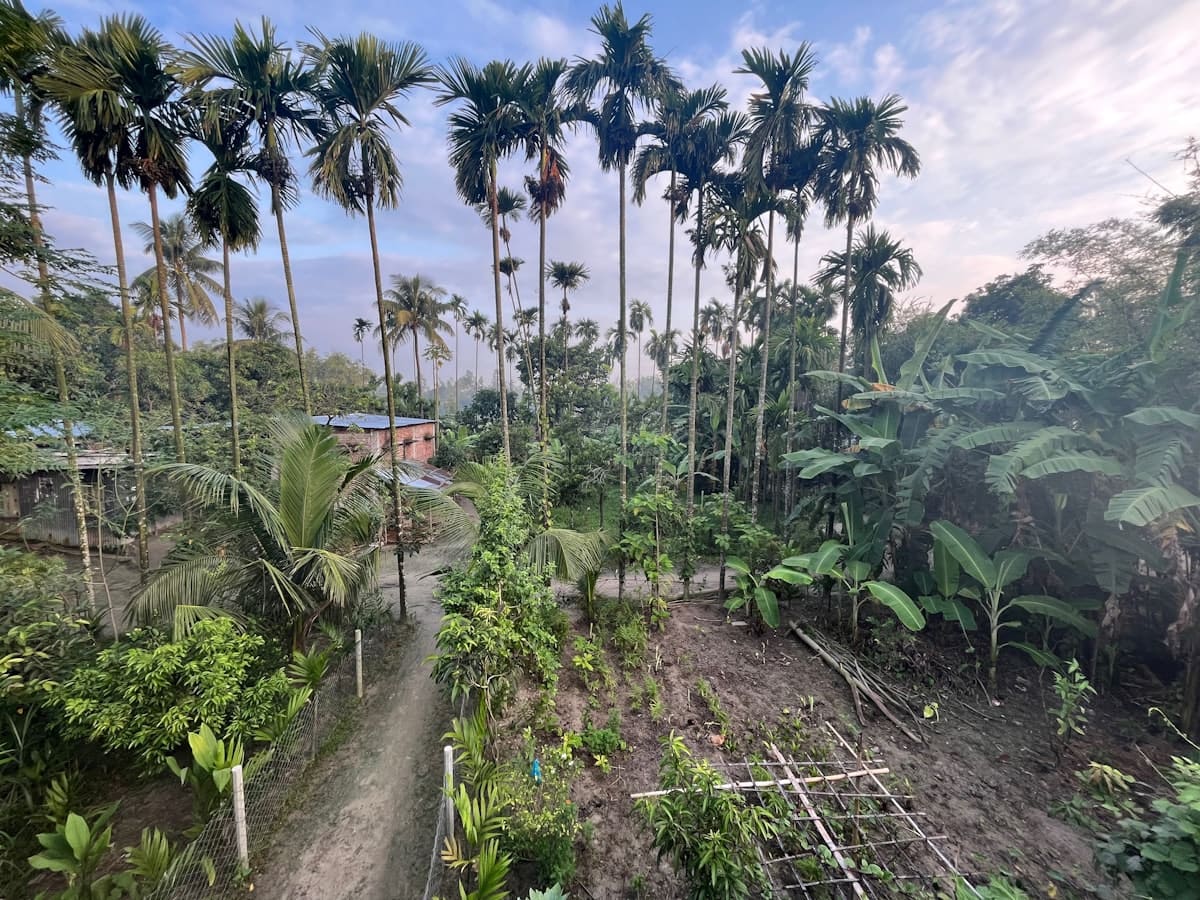
A food forest in tropical climate conditions doesn’t look like much in year one. I want to be honest about that. When people visit the Rancho and walk the planting area, they sometimes expect something lush and established — a canopy already closing, fruit already within reach. What they find instead is a patchwork: some things visibly thriving, some things quietly developing underground before they’ll push skyward, and a few bare spots where something didn’t take.
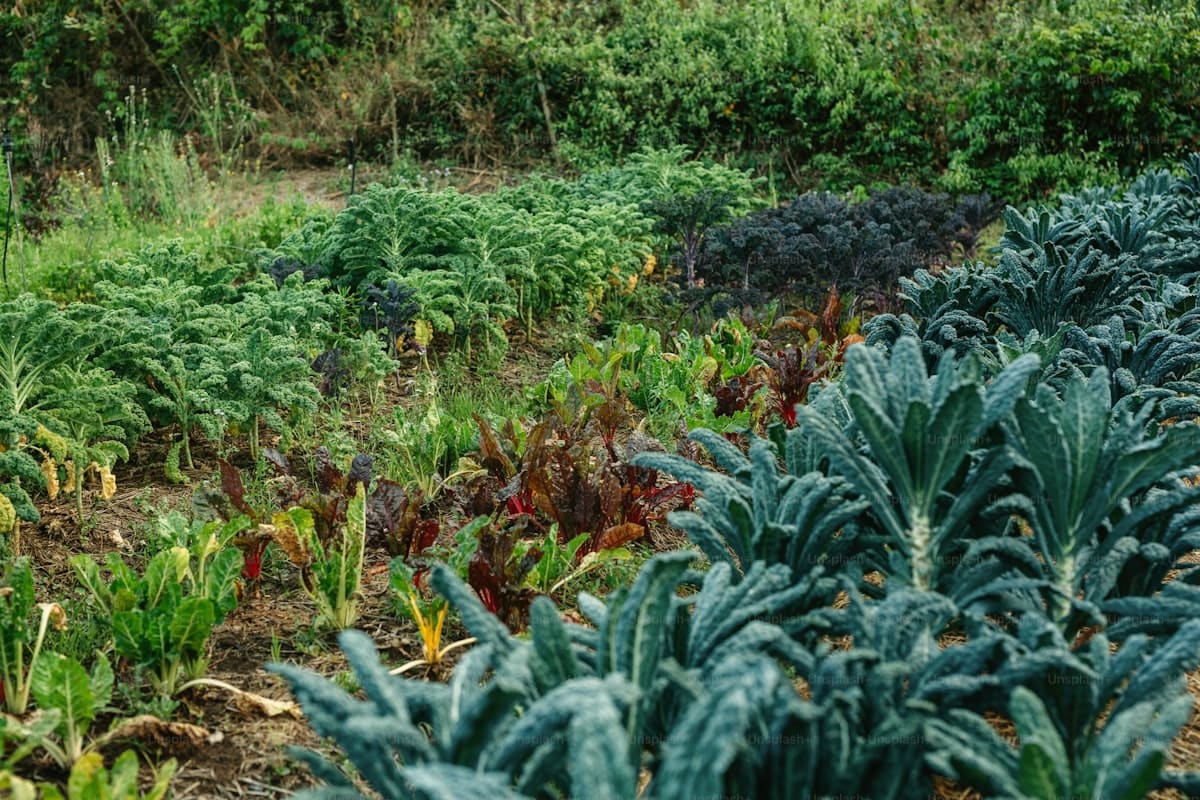
That gap between expectation and reality is worth sitting with, because it reflects something true about how food forest systems work. Year one is not about harvest. It’s about root systems, soil biology, and structural relationships between plants that won’t be visible for another two or three years. If you plant right in year one, you are investing in what the place will be in year five and year ten. That’s the logic.
We started putting plants in the ground in 2024, building out through 2025 in what I think of as the first full planting cycle. Here is what we planted, what came up, what surprised me, and where we are heading.
What we planted
The design follows a zone system that organizes plants by how much attention they need and how far they sit from the main water source and working center of the land.
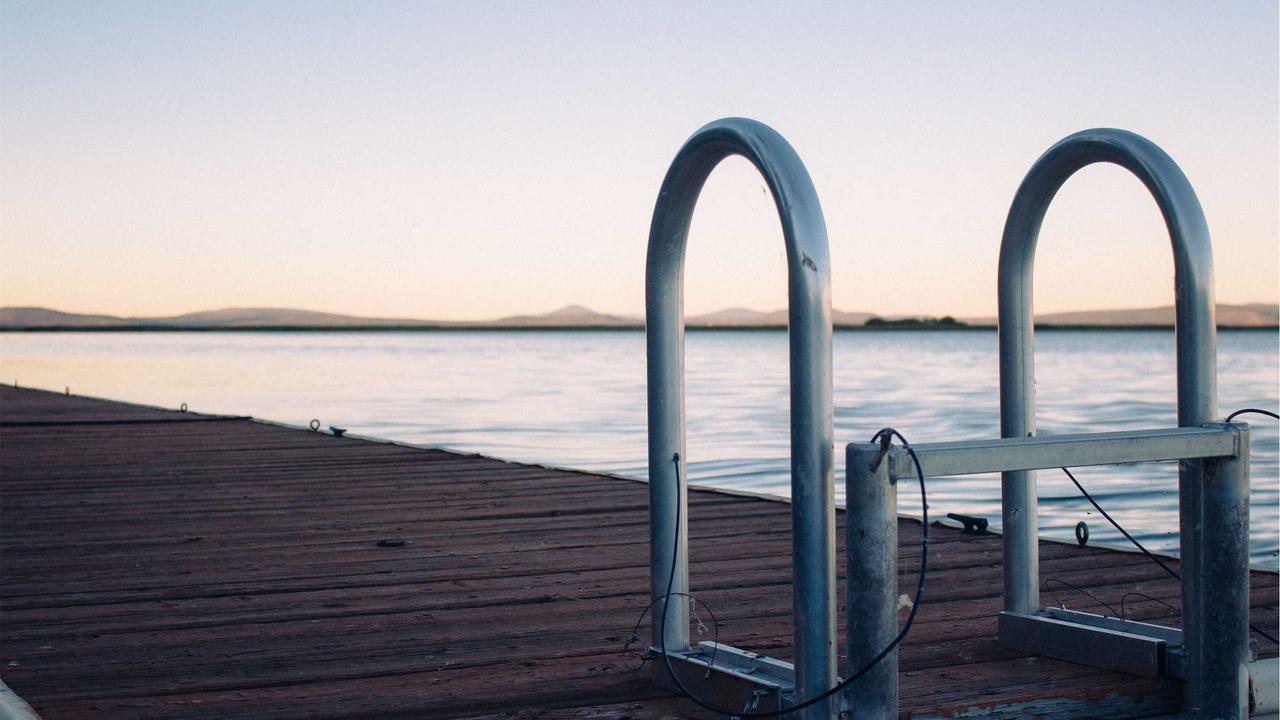
Zone 1 sits closest to the kitchen and water infrastructure — this is where we put herbs, culinary plants, and things we want to harvest daily without walking far: lemongrass, epazote, aloe vera, chiles, a few leafy greens. Zone 2 is the main food production area, the densest planting, where most of the fruit trees and productive shrubs are going in. Zone 3 is the developing orchard, a bit further out, less intensively managed. Zone 4, at the perimeter, is where we’re doing native reforestation and letting succession take over.
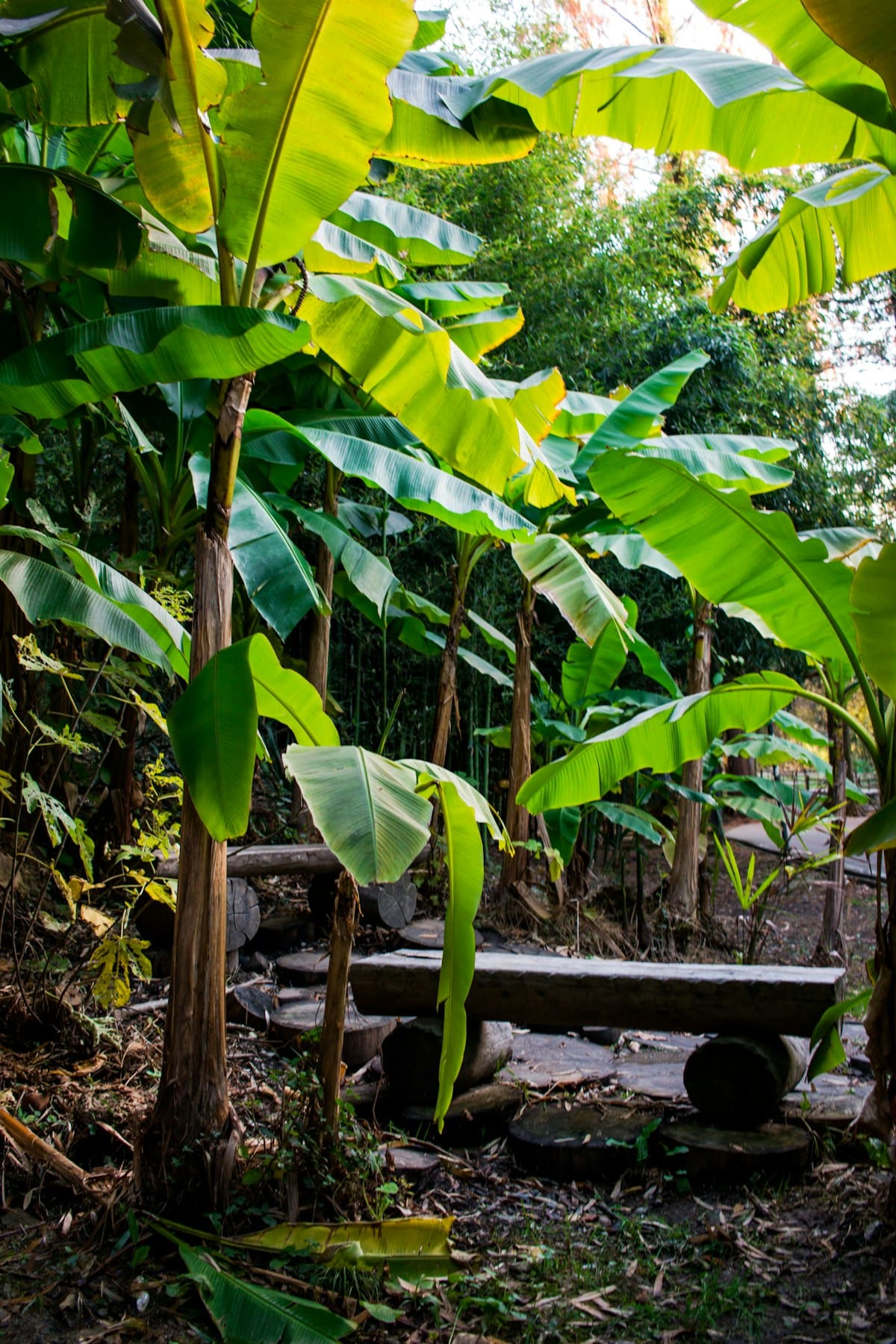
The canopy layer includes mango — both Ataulfo and Manililla varieties, which are locally adapted and proven in this coastal climate — avocado, jackfruit, tamarind, and guanábana. These are long-term investments. Most won’t produce meaningfully until year three or four at the earliest, and the real canopy won’t close until year five or six. We knew this going in.
Below the canopy we planted papaya, banana, lemon, lime, orange, and moringa. Moringa especially was a deliberate early move — it grows fast, provides chop-and-drop mulch while the slower trees get established, and is useful immediately as a food source. At the shrub layer: pitaya (dragon fruit), chaya, and hibiscus. For ground cover, sweet potato and squash, both of which fix bare soil and suppress weeds while the tree layers mature. Nitrogen fixers throughout: leucaena, acacia, and pigeon pea.
What’s thriving
Papaya was the fastest mover by a significant margin. We had plants producing fruit by month eight. That kind of speed in a food forest is valuable for more than just the fruit — visible productivity in year one matters for the people living and working on the land. It demonstrates that the system is alive and building toward something.
Moringa established quickly and has already become one of the most practically useful plants in the whole system. The leaves are being harvested regularly. The biomass we’re cutting and dropping is feeding the soil around the slower-growing trees. A mature moringa in this climate can be cut back hard every few months and will rebound fast — it’s essentially a biomass machine.
Leucaena, the nitrogen-fixing pioneer tree, is performing exactly as expected. It grows fast, tolerates the dry season heat, and is producing mulch material that we’re layering around the fruit trees. Nitrogen fixers like leucaena are not glamorous. They don’t produce fruit you can eat. But they are doing crucial soil work that will show up in the health of the mangoes and avocados three years from now.
Sweet potato as ground cover exceeded my expectations. It moves across bare soil aggressively enough to outcompete weeds, and it’s edible. Ground cover is one of those elements that new food forest designers often underestimate — bare soil in a tropical climate loses moisture fast and oxidizes surface organic matter. Covering it matters.
What’s been slower than expected
Avocado has struggled more than I expected in the heat stress of the dry season. The trees are alive, but they’ve been reluctant to push growth until their root systems are more established. We’ve been giving them more hand-watering attention than originally planned during the dry months (November through April). In retrospect, I would plant avocado a bit earlier in the wet season to give roots more time before the first dry season hits.
Citrus — lemon, lime, orange — did better once we improved drainage in their section of the Zone 2 planting area. We had some standing water during heavy rain events, which citrus does not tolerate. We adjusted the beds, built up slightly raised planting mounds, and the trees responded. They’re slow but they’re moving in the right direction now.
What failed
One attempt at cacao didn’t make it. The microclimate where we planted it was too exposed — too much direct afternoon sun and not enough shelter from the wind that comes off the coast in the dry season. Cacao is a forest understory tree by nature. It wants dappled light and wind protection. The spot we chose wasn’t ready yet, meaning the canopy above it wasn’t established enough to provide cover. We’ll try again in a more sheltered location once the avocado and jackfruit layer is bigger.
Failing with individual plants is part of the process. A food forest is not a monoculture where the failure of one variety means the failure of the system. The cacao loss told us something useful about that microclimate, and we’ll plant it more carefully next time.
The wet season is the accelerant
The single biggest thing I observed in year one is how dramatic the transition is between dry and wet season in this climate. Tropical subhumid conditions mean a wet season (May through October) that arrives fast and drives growth in a way that is genuinely different from anything I’d seen in other climates I’d worked in.
Everything planted in the last two weeks before the first rains jumped. The soil was warm, the moisture came down hard, and plants that had been sitting dormant-looking for weeks suddenly doubled in size. If I were planning this cycle again, I would concentrate the most important plantings in that narrow pre-rains window — late April through mid-May — to catch that flush of growth energy.
The dry season, on the other hand, required more watering attention than I had planned for. Even drought-tolerant species needed support in their first dry season before they were fully established. We built out some additional drip irrigation capacity mid-year in response.
What year two looks like
In year two, the work shifts from establishing the framework to filling in the gaps. We’ll be adding more plants to the shrub layer and ground cover, particularly in areas where the canopy is starting to close enough to provide some shade. We’ll be expanding the Zone 3 orchard planting, and we’ll be paying close attention to the nitrogen-fixer relationships — testing soil, observing where growth is strongest, and adjusting the spacing and density of leucaena and pigeon pea accordingly.
The goal by end of year three is a system that is largely self-sustaining in terms of mulch and soil biology, requiring less imported material and less irrigation as the water-holding capacity of the living soil improves.
A food forest doesn’t announce itself in year one. You have to read the signs — the leaf color, the root depth, the soil smell, the speed at which organic matter breaks down. Year one has been encouraging. The foundation is in.
If you want to see the food forest in person, visiting the Rancho gives you a chance to walk the zones and talk through what’s happening in each layer. Our visit page has the details on how to come. And if you’re curious about the broader project and what building here looks like, the vision page and make it yours page are good places to start.