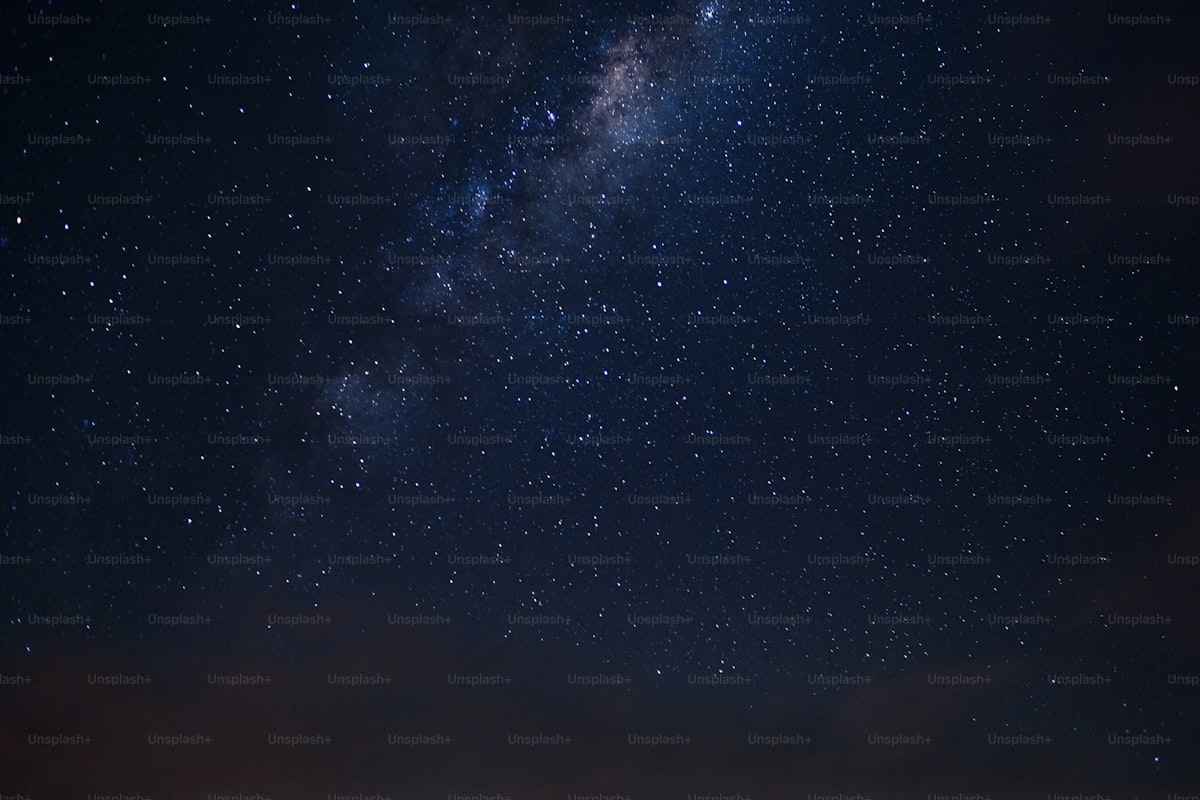
The name Rancho de las Estrellas — Ranch of the Stars — came from a specific night, not a branding session. Luisa and I were standing on what would become the center of the property, and the sky above us was doing something that skies in most of coastal Mexico no longer do. It was simply dark. The Milky Way was not a faint smudge or a photographic enhancement. It was a band, dense and textured, crossing the full arc overhead. She said it looked like a ranch of stars. That was it.
Stargazing on the Oaxacan Pacific coast is one of those things we mention early when people ask what makes this place worth the extra hour of travel from Puerto Escondido. It tends to surprise people. They expect the lagoon, the surf, the food forest. They do not always expect to step outside at night and feel genuinely small.
What the Bortle scale means here
If you are not familiar with the Bortle scale, it is a nine-point measure of night sky brightness. Bortle 9 is the washed-out sky over a city center, where only the moon and the brightest planets reliably appear. Bortle 1 is a sky so dark that the zodiacal light casts faint shadows and the Milky Way is bright enough to disturb your night vision.
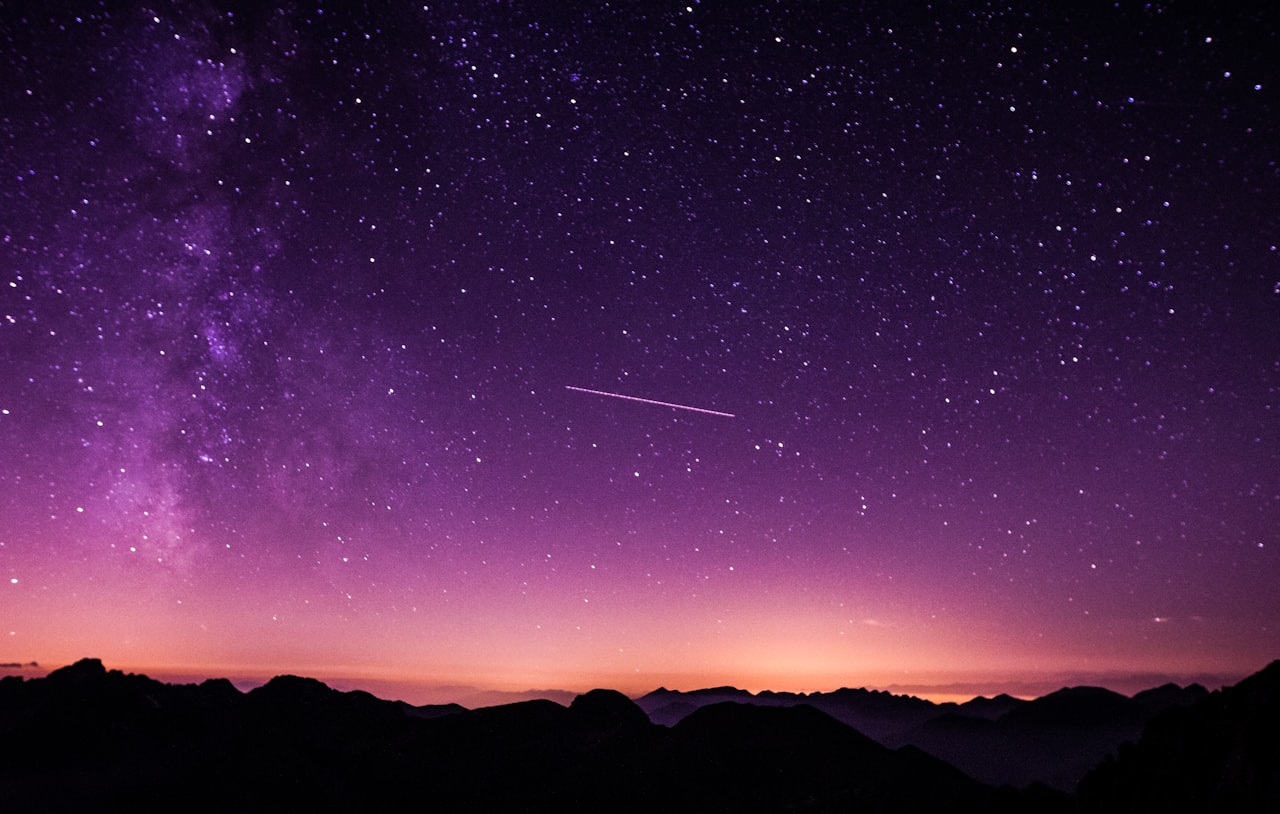
Our property sits in a zone that consistently measures between Bortle 3 and Bortle 4 — what astronomers call a “rural sky” to “rural/suburban transition.” At this level, the Milky Way is plainly visible to the naked eye, shows real structure, and is bright enough to read the brightest star-forming regions without a telescope. The gegenschein — a faint glow in the sky directly opposite the sun — is sometimes visible on the clearest nights. M31, the Andromeda Galaxy, is easily found without optics.
For context: most of the developed Pacific coast of Mexico — from Los Cabos north and from Puerto Vallarta south — registers between Bortle 6 and Bortle 8. The light domes from resort corridors extend well beyond the towns themselves. Huatulco, which is roughly 150 kilometers east of us along the coast, has grown enough that its light is visible on the horizon from inland locations. Puerto Escondido has its own dome. Fifty-eight kilometers of distance and a national park buffer make a meaningful difference.
What you actually see
From this latitude — roughly 16 degrees north — the southern sky opens up in ways that are not available to observers in the continental United States or Europe. The Southern Cross (Crux) clears the southern horizon from approximately April through August, low but clear. Centaurus is well placed. The Large and Small Magellanic Clouds, satellite galaxies of the Milky Way, are visible on good nights when the southern horizon is clear of haze.
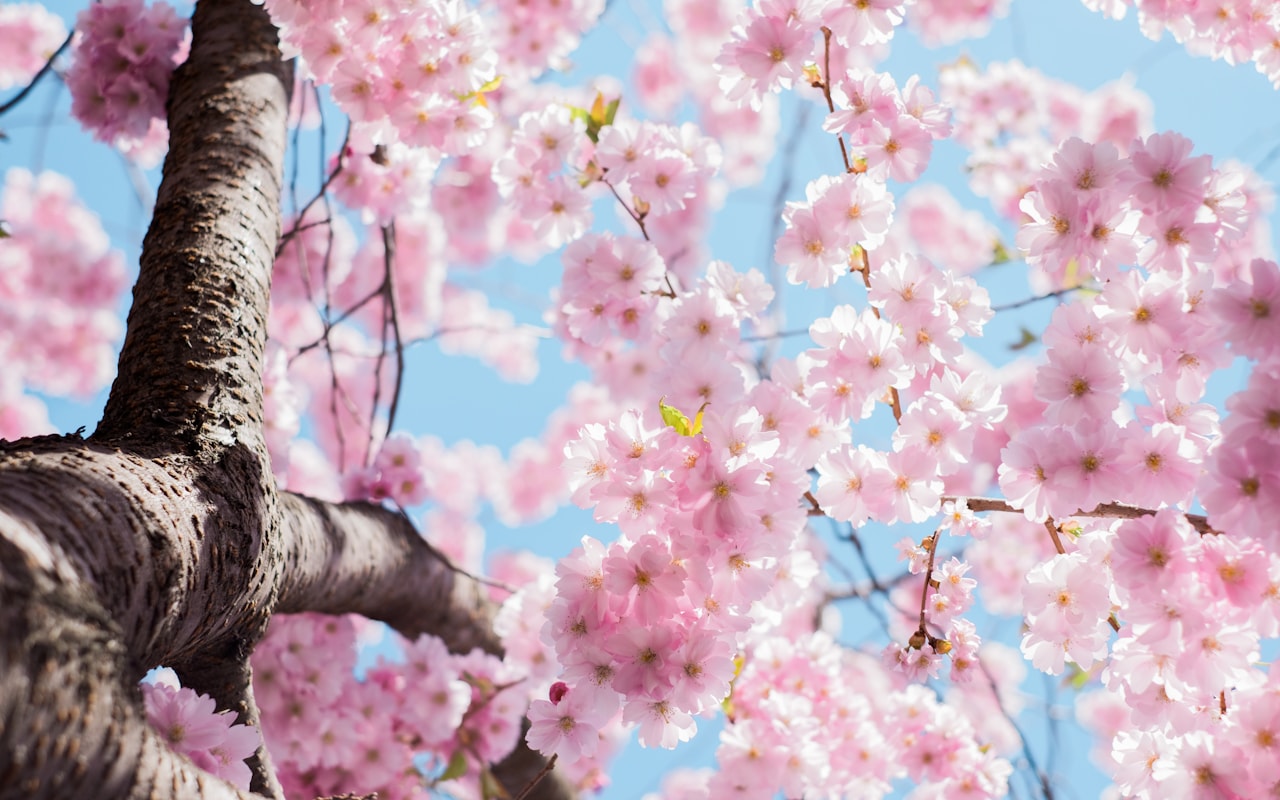
The Milky Way is visible year-round, though the core of the galaxy — the dense central bulge in Sagittarius — is best from roughly May through October, when it passes nearly overhead on clear evenings. During these months, lying on the ground and looking straight up, you can follow the galaxy’s structure from horizon to horizon without any optical aid.
Jupiter and Saturn, when they are up, are bright enough to cast faint shadows on white paper. Venus, near greatest elongation, is bright enough to cast a shadow on the lagoon. These are not exaggerations; they are things that guests regularly discover and mention afterward as the part of a visit they were least expecting.
How we designed for darkness
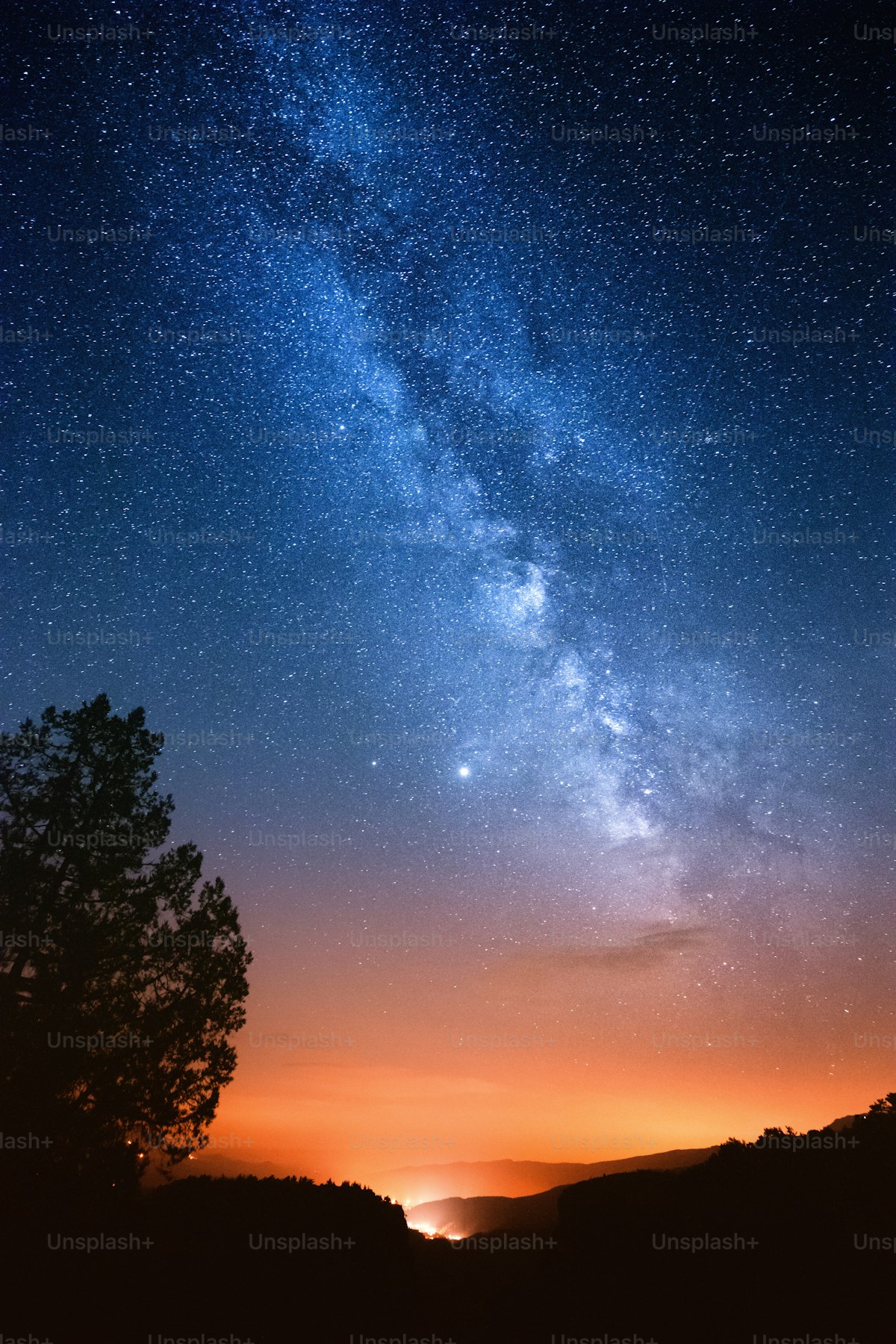
From the beginning of planning, we treated dark sky preservation as an infrastructural commitment rather than an optional aesthetic. That means specific things on the ground.
We use no white outdoor LEDs. White LEDs, which have become the default in most outdoor lighting, emit heavily in the blue end of the spectrum — the wavelength that scatters most in the atmosphere, contributes most to sky glow, and disrupts biological rhythms most severely. Where we need outdoor lighting at all, we use amber or red-spectrum fixtures with full shielding, meaning the light is directed downward and does not escape horizontally or upward.
We also limit the number of lit areas at night to what is genuinely necessary for safe movement. Much of the property is not lit at all after dark. This is, frankly, part of the experience. Learning to walk by starlight — or with a small, shielded lamp — is an adjustment for people arriving from urban settings. Most guests, within a day or two, stop reaching for their phone flashlights.
We are in the planning stages of a small observatory structure: a fixed pier, a roll-off roof, and a mid-aperture telescope suited to both visual observation and astrophotography. It will be shared infrastructure for residents and available to retreat guests through YogaMala and the Nandia nature school.
Why this matters beyond aesthetics
The most obvious reason to care about light pollution is the one I have been describing: the sky is beautiful when it is dark, and that beauty has practical value for human wellbeing. But there are other reasons, some of them more urgent.
Olive ridley sea turtles nest on the beaches adjacent to Lagunas de Chacahua National Park. Artificial light on or near nesting beaches disorients hatchlings, which use the natural light gradient — brighter toward the ocean — to navigate from nest to water. Beachfront development with careless lighting is one of the documented pressures on sea turtle populations across the Mexican Pacific. Our commitment to minimal, shielded, amber-spectrum lighting is in part a commitment to not adding to that pressure.
Migratory birds navigate largely by the stars and by the natural light-dark cycle. Light pollution in corridors that billions of birds use each year — including the Pacific flyway that runs along this coast — increases collision rates and disrupts the timing of migration. The mangroves and lagoon here are significant stopovers for migratory species. What we do with our lights at night is not entirely a private decision.
And then there is what happens to people. Human circadian biology is calibrated to a pattern of bright days and dark nights. Exposure to artificial light after dark — particularly blue-spectrum light — suppresses melatonin, disrupts sleep architecture, and over time has documented effects on metabolic and immune function. Guests who stay here for more than a few nights often report sleeping differently. Longer, more evenly, with more vivid dreams. I do not want to overstate what a dark sky does, but I also do not want to dismiss it. We are built for this kind of darkness.
The comparison that frames it
If you have spent time on the more developed stretches of Mexico’s Pacific coast, you have probably adapted to a certain kind of night — orange-gray at the horizon, a handful of bright planets, the occasional satellite, and not much else. That is not a criticism of those places. It is a description of what development does to the sky, as reliably as it does to the shoreline or the water quality.
What we have here is something that is still, for now, recoverable and maintainable. The national park protects the land to the west and south. Our own design commitments protect what we control. The gap between here and the nearest significant urban light source is wide enough that the sky has not been traded yet.
That is worth naming, because it will not always be true everywhere along this coast. Dark skies are not a permanent feature of geography. They are a consequence of decisions — about what to build, how to light it, and what to consider worth protecting.
We made a decision. It is one of the better ones.
If you want to see the sky for yourself, the place to start is our visit page. We can tell you when the Milky Way core is best positioned and make sure your stay is timed, if you want it to be, around a new moon.