When people ask about living on the Oaxacan coast, the Chacahua vs. Mazunte comparison comes up almost immediately. Both places sit on the same stretch of Pacific shoreline, both have drawn people looking for something outside the mainstream, and both carry a certain quality of light that makes you want to stay longer than you planned. But they are genuinely different places, shaped by different geographies and different histories, and the people who thrive in one are not always the people who thrive in the other.
I’m not writing this to sell you on Chacahua. I’m writing it because the honest answer to “which is better?” is that it depends entirely on what you’re actually looking for — and most comparisons I’ve read online don’t go far enough into the texture of daily life.
What Mazunte Is
Mazunte sits roughly 240 kilometers east of Chacahua, not far from Zipolite and the town of Pochutla. It’s a small village built on cliffs and narrow beaches, and over the past two decades it has developed a recognizable wellness-tourism identity. You’ll find yoga studios, raw food cafes, natural cosmetics, and a community of long-term foreign residents who have built lives there. The infrastructure, by Pacific coast standards, is reasonably good — reliable electricity, decent phone signal in most areas, regular colectivo connections to Pochutla and from there to Oaxaca City.
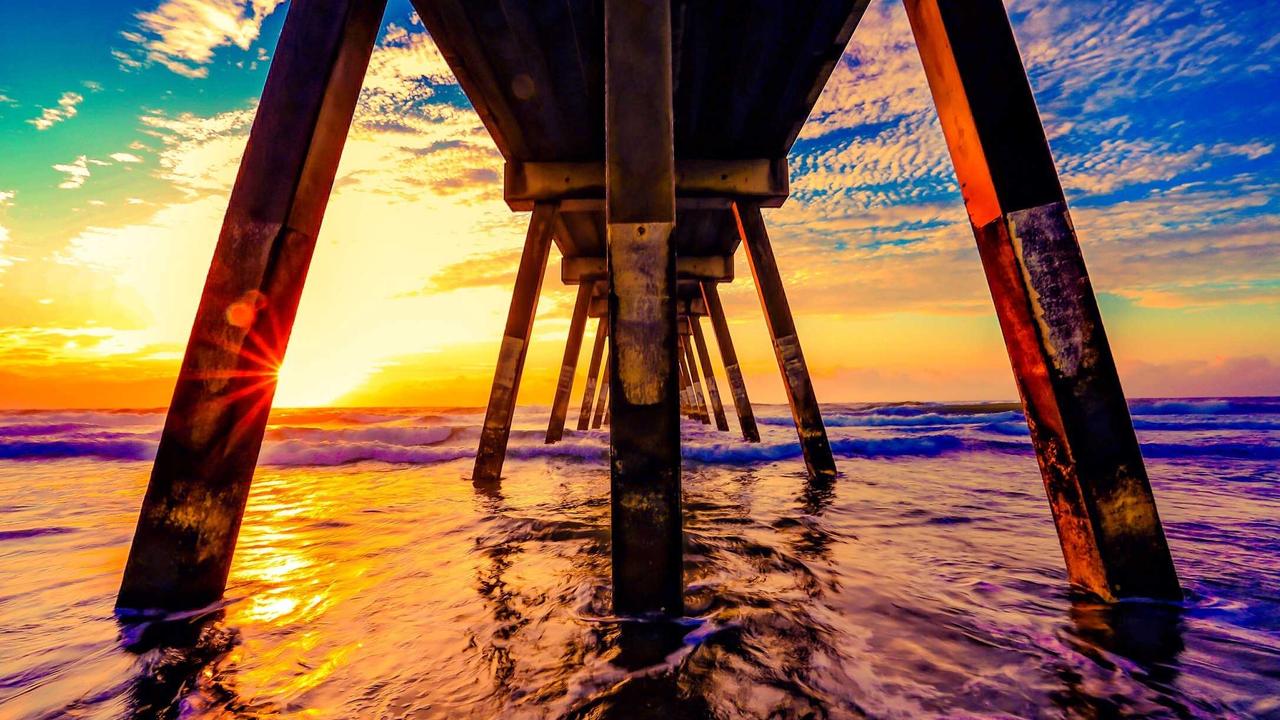
The beaches in Mazunte are beautiful but small. The geography is cliffy and dramatic, which gives the place a particular visual intensity. The ocean can be rough, and swimming requires attention, but surfing is less the draw there than the general atmosphere of alternative living and holistic practice.
The foreign community in Mazunte is well-established. If you arrive not knowing anyone, you will find your people within a week. There are circles, communities, and projects you can plug into. That ease of connection is genuinely valuable, especially if you’re arriving without a network.
The tradeoff is density. Mazunte is small and fairly well-known. In high season it fills up. Land prices have risen as the area’s reputation has grown, and the sense of frontier that drew earlier arrivals has softened into something more settled — which, depending on what you want, is either a feature or a drawback.
What Chacahua Is
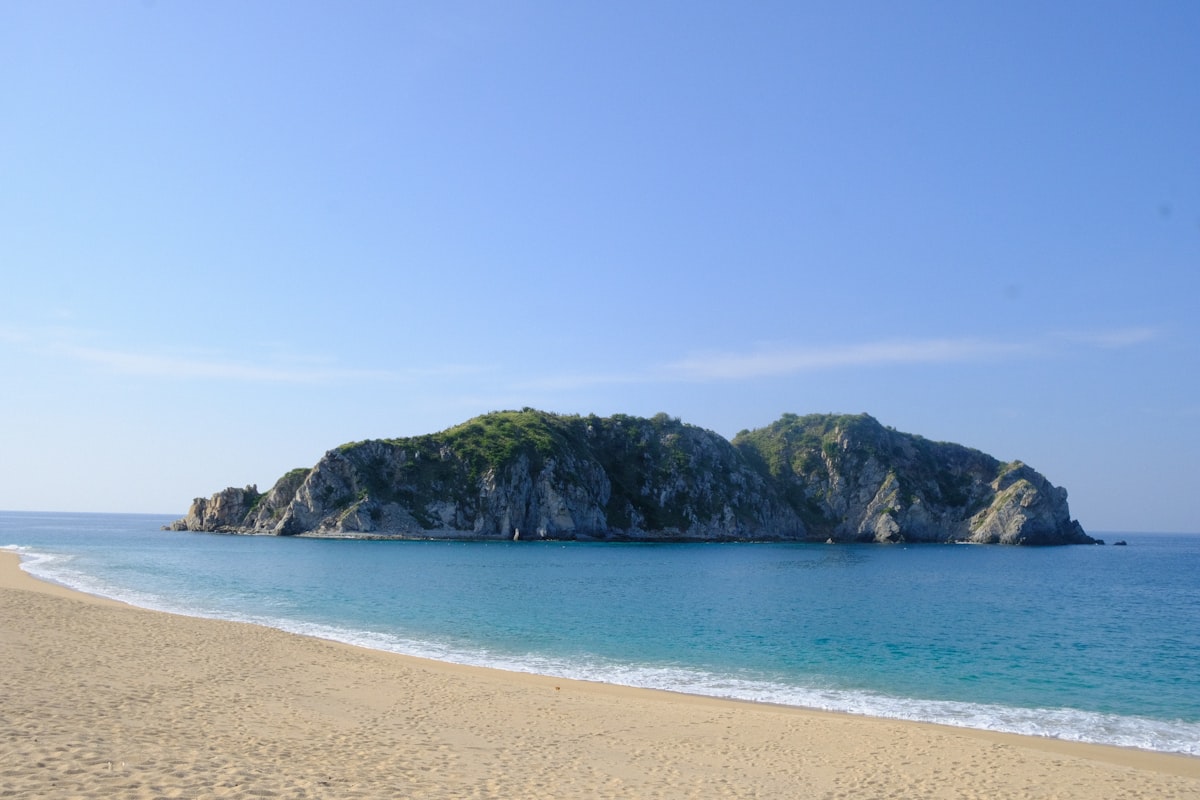
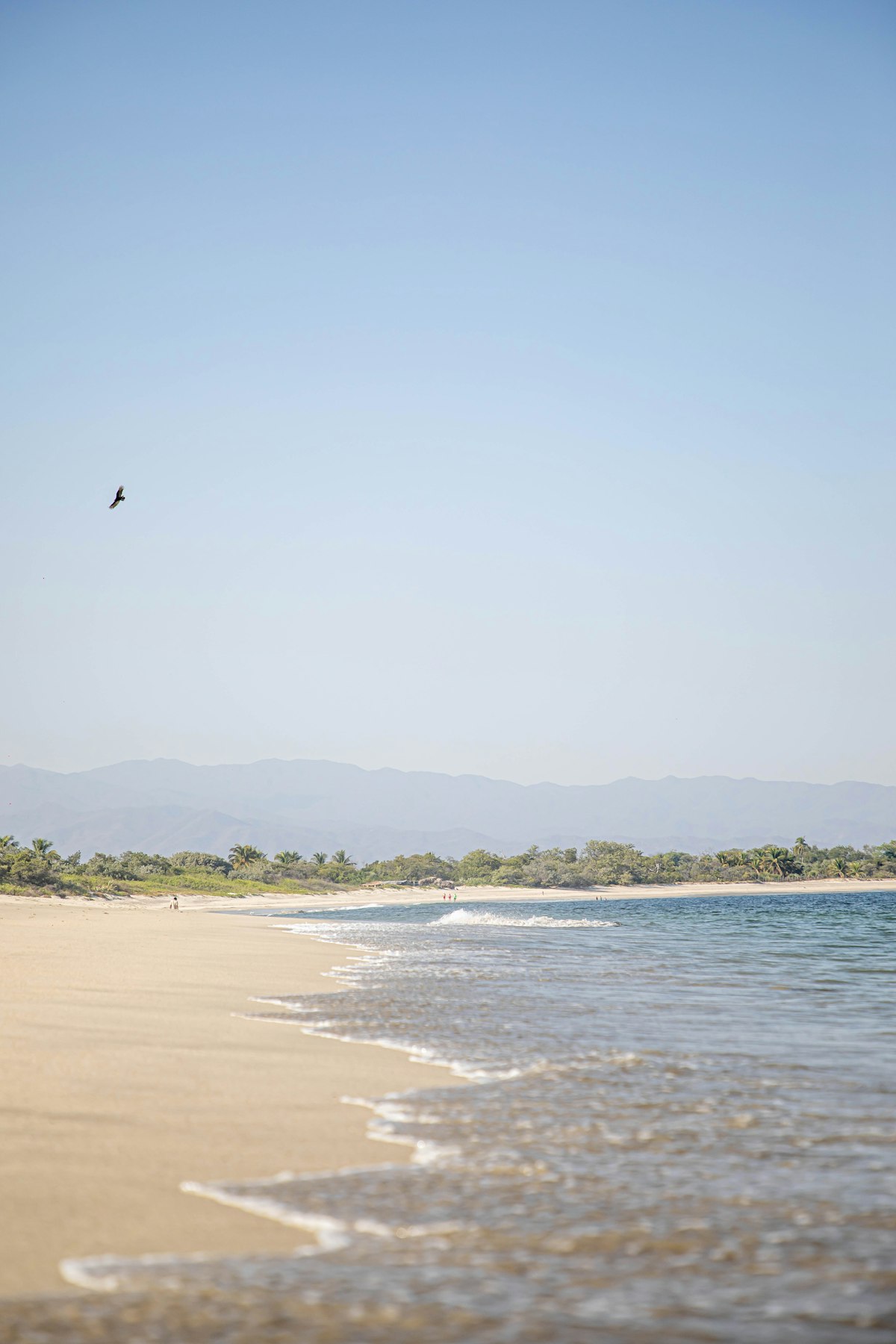
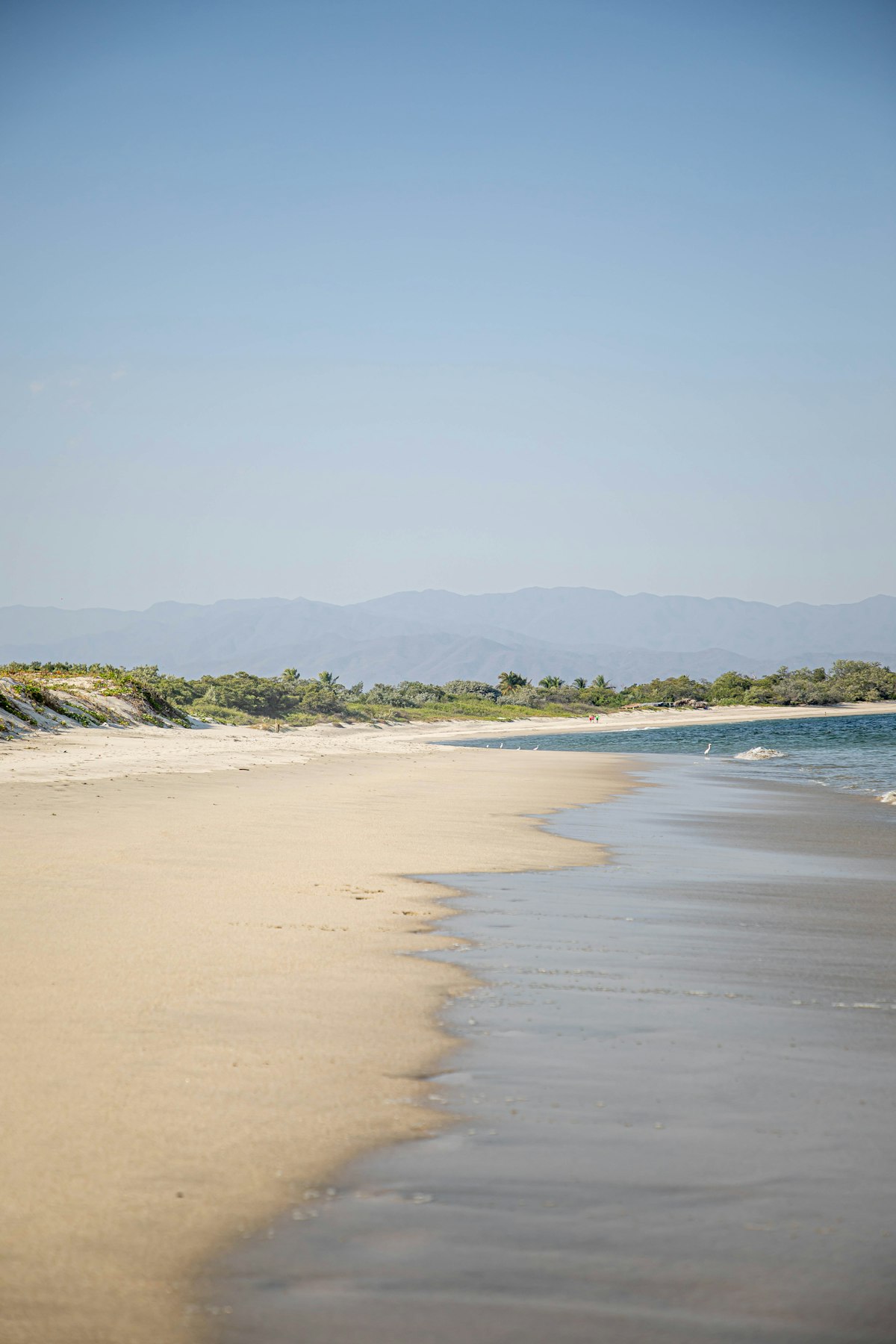
Chacahua is defined above all by its lagoon system. The Lagunas de Chacahua National Park protects a series of connected coastal lagoons — mangrove-lined, bird-rich, quiet in a way that open ocean coastline rarely is. The fishing communities here have been here for generations. The beach at Playa Chacahua is broad and long, accessible by boat from the village of Zapotalito.
The town of Chacahua itself is small. There are no resort facilities. There is no wellness-tourism infrastructure in the way Mazunte has built one. The foreign presence is thin — there are some people, but nothing like the density you find further east. Colectivos run to Zapotalito from the road, but to reach the beach you take a boat, and transportation requires planning in a way it doesn’t in more developed areas.
The roads are good — Highway 200 connects the area to Puerto Escondido about 58 kilometers to the east — but the last stretch has a different quality of remoteness than Mazunte carries. You are genuinely further from conveniences. A trip to a hardware store or a hospital is a real trip.
What you get in exchange is space, both physical and psychological. The 70% of our land at Rancho de las Estrellas that we keep open is not just a design choice — it reflects something real about this landscape. The sky here is enormous. The lagoon carries a different kind of silence than you find by the open ocean. The national park boundary means that a great deal of the surrounding land will remain as it is.
The Personality Question
Here is the honest version: Mazunte is a better fit if you want a ready-made community, easier access to services, and a place where the groundwork for alternative living has already been laid. You can arrive and find your footing quickly. The infrastructure, social and physical, is there.
Chacahua is a better fit if you want more space, less density, access to a genuinely unusual ecosystem, and the particular satisfaction of being somewhere that hasn’t been fully figured out yet. The tradeoff is that you’ll work harder for convenience, and the social network here is smaller and newer.
On the question of land
One practical difference worth noting: around Mazunte, the land tenure situation is complex and varies significantly by area. Around Chacahua, we can speak specifically to what we know. Rancho de las Estrellas sits on private titled land — propiedad privada — which is relatively uncommon in rural coastal Oaxaca and meaningfully different from the ejido system that governs land in many other areas. If land ownership and clear title matter to your plans, this is worth understanding before you begin looking anywhere on this coast. You can read more about the specifics on our build and land page.
On surf
If surfing is a central consideration, Puerto Escondido and its nearby breaks are the reference point for this part of Oaxaca. Chacahua has surf — Playa Chacahua gets consistent swell, and Roxi Stolk runs surf and yoga programs from the Rancho. But you’re not choosing Chacahua for world-class waves the way you might choose Puerto Escondido. Mazunte is not primarily a surf destination either, so this factor may not change the comparison much.
On quiet and noise
This is subjective but real. Mazunte in high season has a particular energy — it’s lively in a way that some people love and others find wearing. Chacahua has a different quality of quiet. The lagoon, the birds, the fishing activity — these set a baseline that is genuinely unhurried. Not isolated, but unhurried.
Neither Is a Good Fit for Everyone
Both places attract people who are done with city life, or who want something more grounded than what conventional expat hubs offer. Both require a certain self-sufficiency. Both will ask you to slow down.
But they will ask it differently. Mazunte has already done a lot of the work of becoming a livable alternative. Chacahua is still in the process of becoming what it will be. Rancho de las Estrellas, founded in 2023, is part of that process — we’re building something here: the YogaMala retreat center, the Nandia nature school, the food forest. The community is young and the land is mostly open.
Some people find that exciting. Some people would rather join something that’s already running. Both responses are completely reasonable.
If Chacahua Is Speaking to You
If you’ve read this far and found yourself drawn more toward the lagoon than the cliffs, more toward the open horizon than the established scene, it might be worth spending some time here before deciding anything. Come and see it at a slower pace than a day trip allows.
You can find out what a visit looks like on our visit page, or if you’re further along and thinking about being part of what we’re building, the make it yours page is where to start that conversation.