The process of buying a lot at Rancho de las Estrellas is not complicated, but it is unfamiliar to most people who have not purchased land in Mexico before. Questions pile up fast: What is a fideicomiso? How long does it take? What do I need to bring? What happens if something goes wrong?
I want to answer those questions plainly, step by step, the way I would explain it sitting across a table from someone. This is the land buying process Mexico buyers — whether Mexican nationals or foreign buyers — actually go through when they purchase land at the Rancho. Nothing surprising, nothing hidden.
Before I get into the steps: total timelines run 4 to 8 weeks for Mexican nationals and 8 to 14 weeks for foreigners. The difference is almost entirely the fideicomiso process, which I explain below. And for a full breakdown of costs — notary fees, fideicomiso setup, trust maintenance — see the true cost post, which covers the numbers in detail.
Step 1: Schedule a visit and see the land
The first step is to come. Not to sign anything, not to commit to anything. Just to walk the land, understand the orientation of available lots, and get a sense of how this place actually feels.

We do not close sales over email. I have heard from people who wanted to finalize everything remotely, and I understand the impulse — travel takes time and money — but I do not think it serves anyone well. The particulars of a lot matter: how the morning light moves across it, how it sits in relation to the prevailing breezes off the Pacific, whether the tree cover works for your building plans, what you can hear from the neighboring lots. You cannot know those things from a map.
A visit also gives you a chance to meet Luisa and me, to ask the questions that don’t fit into a brochure, and to understand what we are actually building here before you decide whether you want to be part of it. There is no sales pressure. If the place is right for you, it will be clear. If it is not, better to know that in person.
You can find out how to arrange a visit on our visit page.
What to expect during the visit
We typically spend a morning or afternoon walking the available lots, talking about the building guidelines, and going over the basics of the legal structure. We look at the conservation areas — the 70% of the land that will remain open — and how the lots relate to them. Most visits run two to three hours on the land itself.
Step 2: Choose your lot
After the visit, if you want to move forward, we walk through the available lots in more detail. Lots start at 450 m² and vary in size, position, and tree cover. Some sit closer to the community gathering areas; others are more private. Some have better natural shade; others have better sight lines toward the lagoon system.
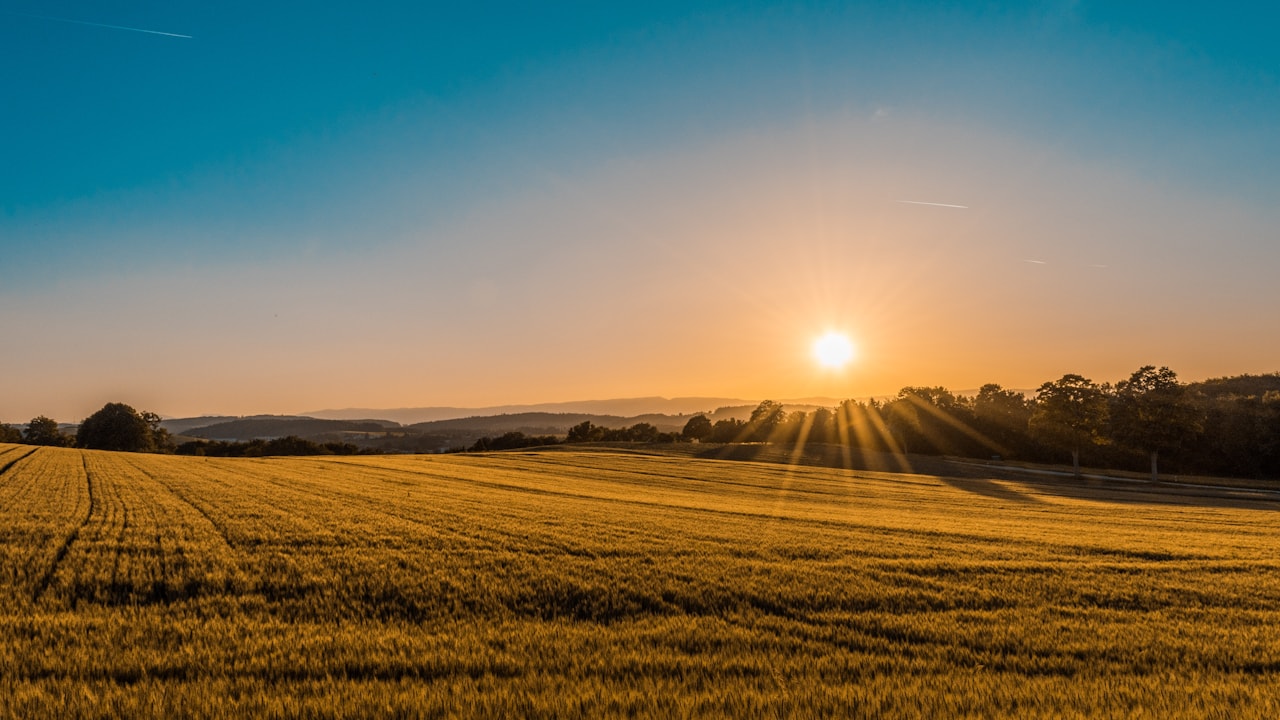
There is no single best lot. There is the lot that fits your plans and your preferences. We can help you think through the building implications of different positions — orientation, drainage, wind exposure — but the choice is yours.
At this stage we are not collecting money and you are not committing to anything. This is a conversation.

Step 3: Deposit and reservation
When you have identified a lot and want to hold it, we ask for a deposit — typically 10% of the agreed purchase price. This takes the lot off the market while the legal documentation is prepared and, for foreign buyers, while the fideicomiso process begins.
The deposit is credited toward the final purchase price. The reservation agreement is a written document that specifies the lot, the price, the timeline, and the conditions. You should have a lawyer review it before signing, and we will tell you this ourselves.
Step 4: Legal verification
Once a lot is reserved, our team works with a local notario — the Mexican notary public who handles real property transactions — to verify the title chain and confirm there are no liens, encumbrances, or legal complications attached to the land.
This is not a formality. It is one of the most important steps in the process, and it is where honest due diligence happens. Our land is propiedad privada — privately titled, registered in the Public Registry of Property — which means the verification process is cleaner than it would be with ejido land. But we still do it carefully, every time, for every transaction.
The verification typically takes one to two weeks. If anything unusual surfaces — which at Rancho de las Estrellas it has not — we address it before the transaction proceeds.

Step 5: For foreign buyers — fideicomiso setup
Foreign nationals cannot hold direct title to land in the restricted zone, which covers most beachfront and coastal property in Mexico. Instead, they hold land through a fideicomiso: a bank trust in which a Mexican bank holds title on the buyer’s behalf. The buyer has all the rights of ownership — to build, to sell, to lease, to pass the land to heirs — but the formal title sits with the trust.
Setting up a fideicomiso involves:
- Selecting a Mexican bank to act as trustee (we can recommend institutions that work with this type of transaction)
- Applying for an SRE permit from the Secretaría de Relaciones Exteriores — this is a standard government authorization for foreign property acquisition
- Drafting the trust deed with the notario
- Paying the bank’s setup fee and the first year of trust maintenance fees
The SRE permit process is the main reason the foreign buyer timeline is longer — it runs 4 to 8 weeks in most cases. The rest of the setup follows once the permit arrives. Costs for fideicomiso setup and annual maintenance are covered in detail in the true cost post.
Step 6: For Mexican nationals — direct purchase
Mexican citizens can hold direct title to the land without the fideicomiso structure. The process is simpler: deposit, legal verification, notario preparation of the purchase deed, signing, registration. Total time from deposit to title is typically 4 to 8 weeks.
This is the cleaner path. If you are a Mexican national and have not yet looked at what ownership here involves, the make-it-yours page is a good place to understand the full picture before getting into the legal steps.

Step 7: Title transfer
The final step is the signing of the escritura — the purchase deed — before the notario, followed by registration of the transaction at the Public Registry of Property. This is the moment at which title formally transfers, whether that means the deed goes in your name (Mexican nationals) or into the fideicomiso trust (foreign buyers).
The notario’s office handles the registration. It takes a few days to a few weeks depending on the registry’s current workload. Once recorded, you receive a certified copy of the registered deed.
Step 8: You are an owner
That is it. You receive your documentation, you are recorded as the owner of your lot, and you become a member of this community in a formal sense.
The practical next steps — connecting with the building guidelines, thinking through your design, meeting other lot owners — are things we walk through together. You are not handed keys to an empty piece of land and left to figure it out. The community context is part of what you have bought into, and we stay involved. You can read more about the building approach and what we encourage on the build page and on the vision page.
One thing I want to say plainly: the process I have described above is the process, not a summary of a more complicated reality. There are details specific to each transaction, and you should always have independent legal counsel review anything you sign. But there are no hidden steps, no surprise fees that appear at the end, no structural complications we are not telling you about in advance.
The first step is just to come and see it. Everything else follows from that.